
Last updated October 16, 2026
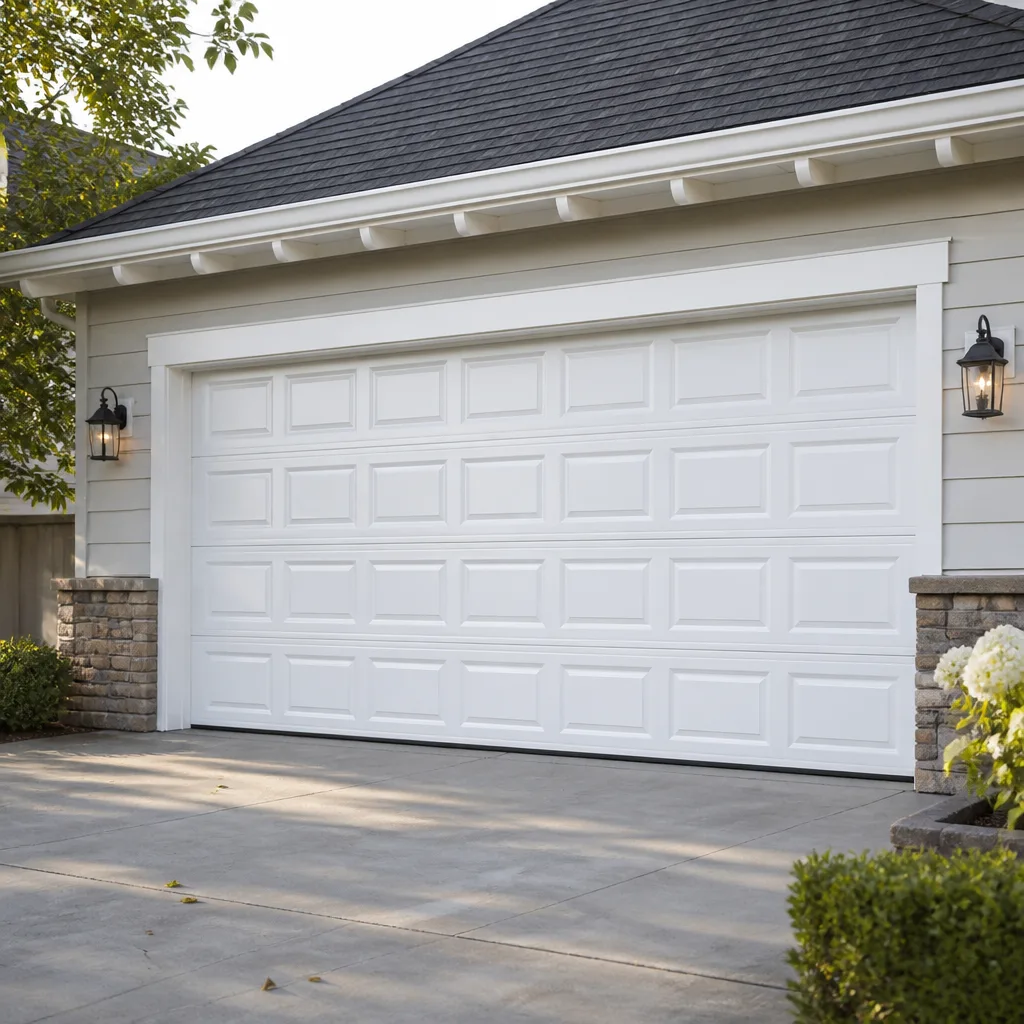 Raised-panel steel
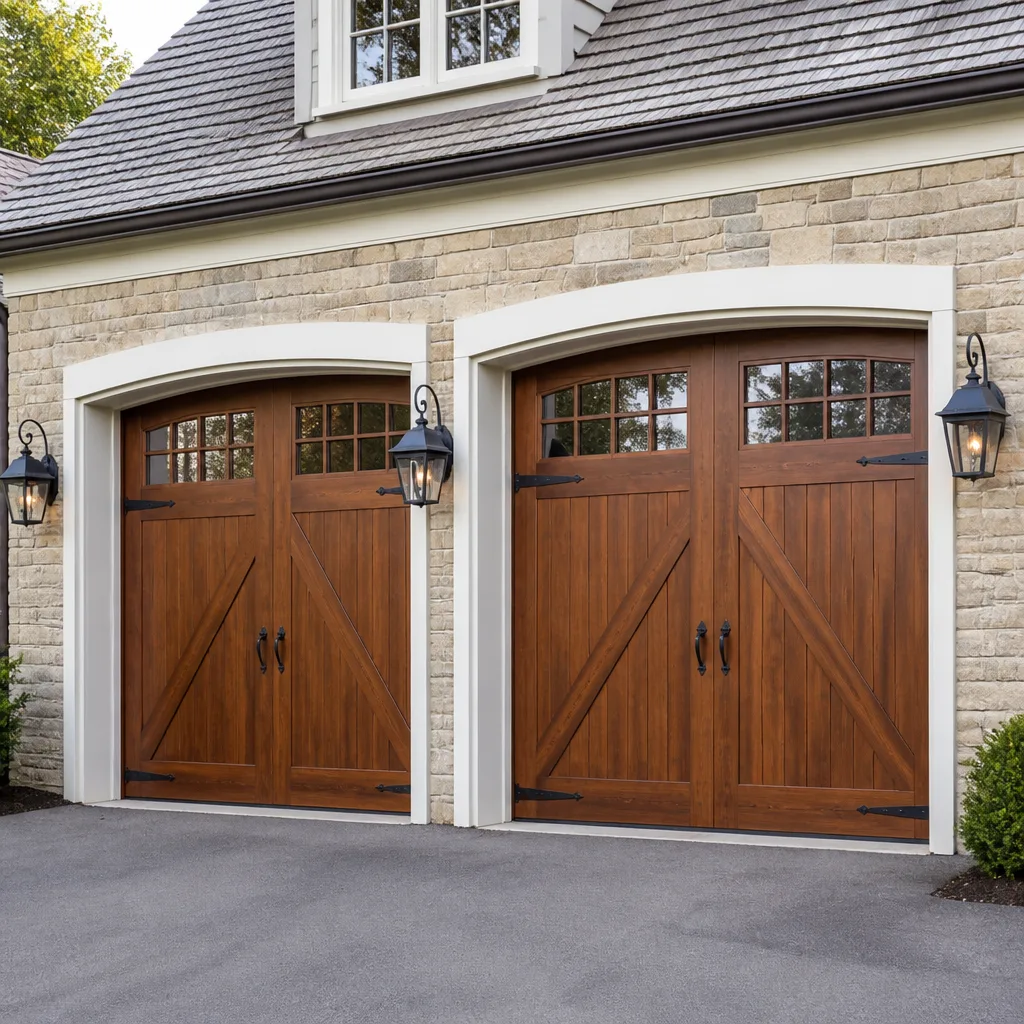 Carriage house
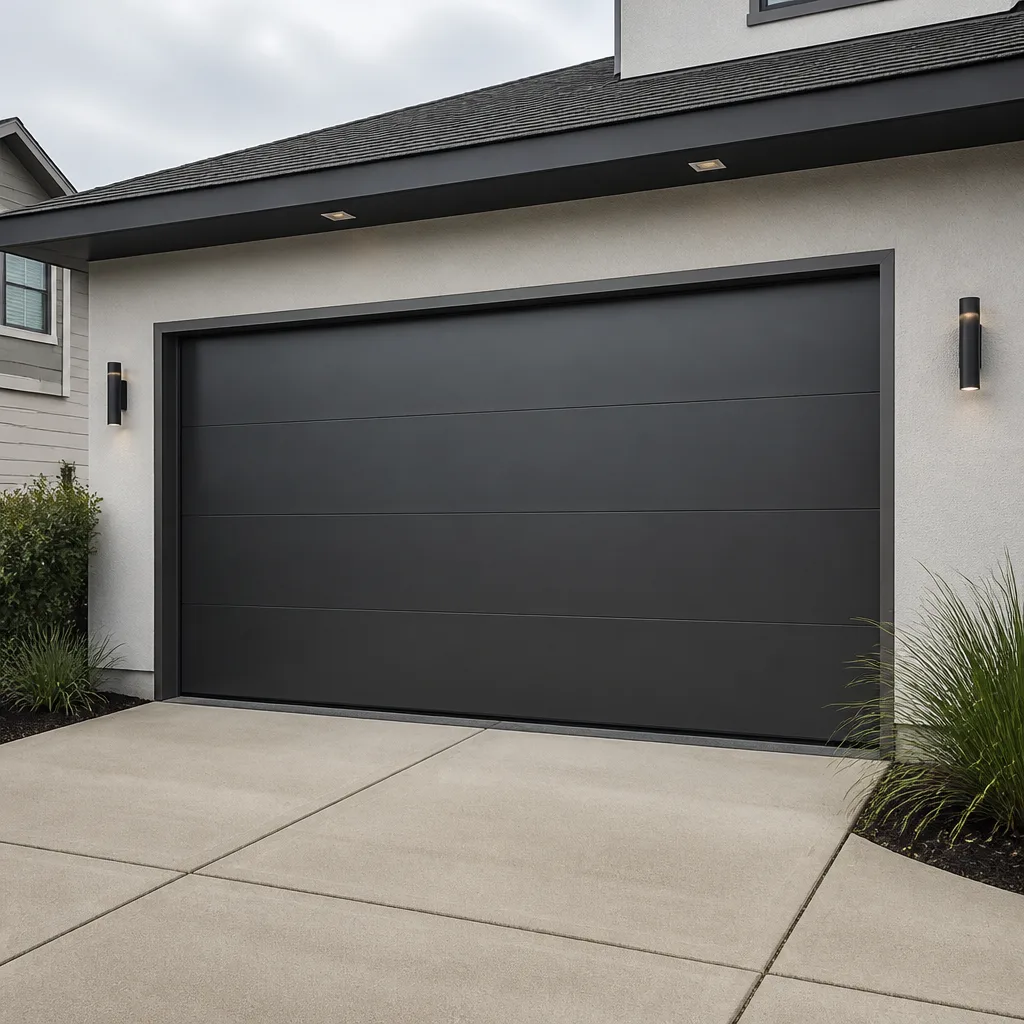 Modern flush
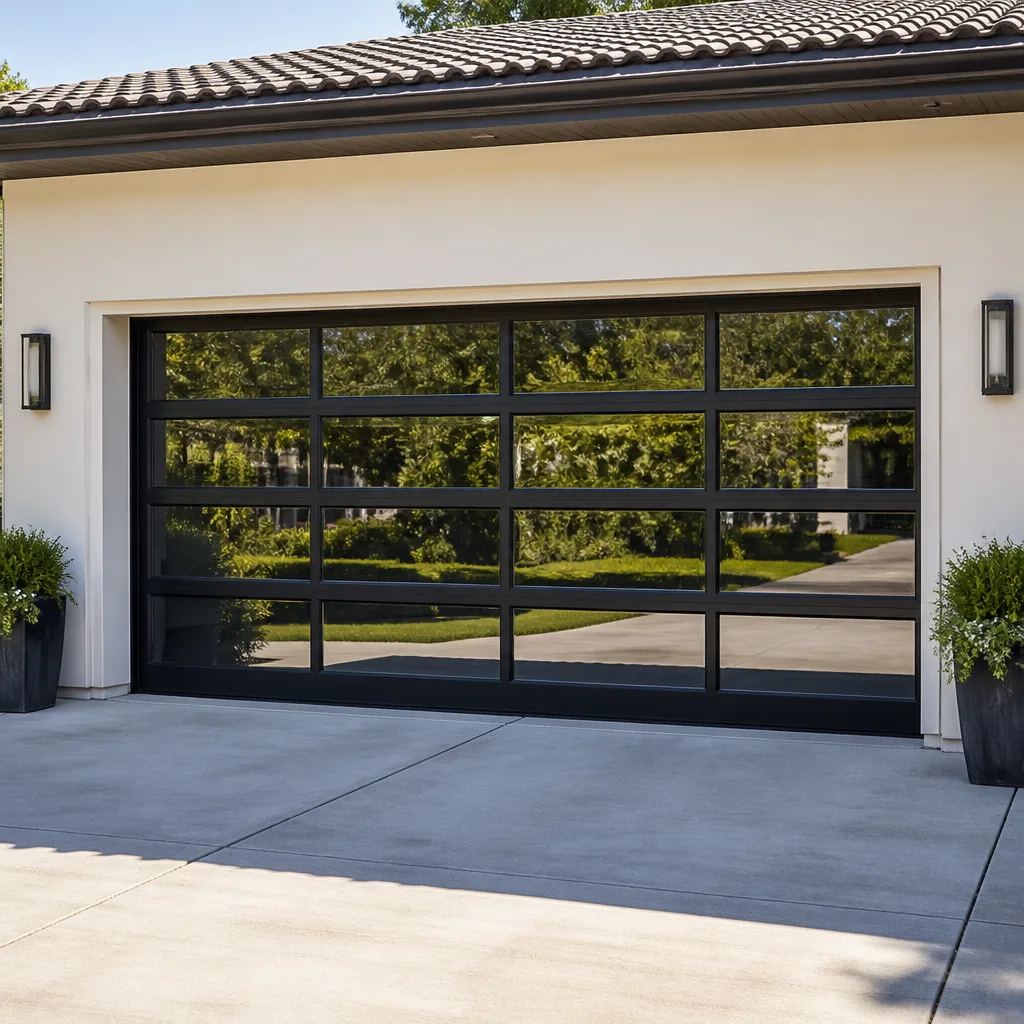 Full-view glass
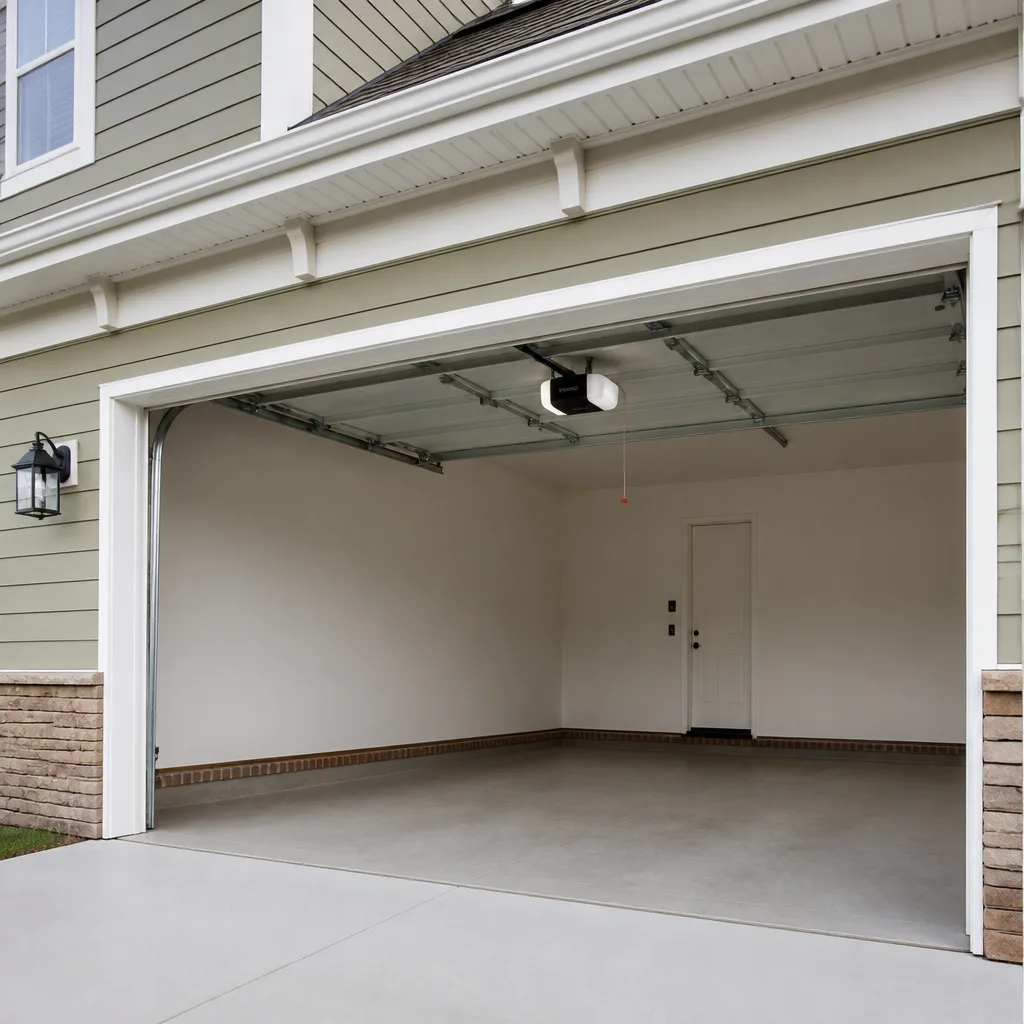 LiftMaster openers
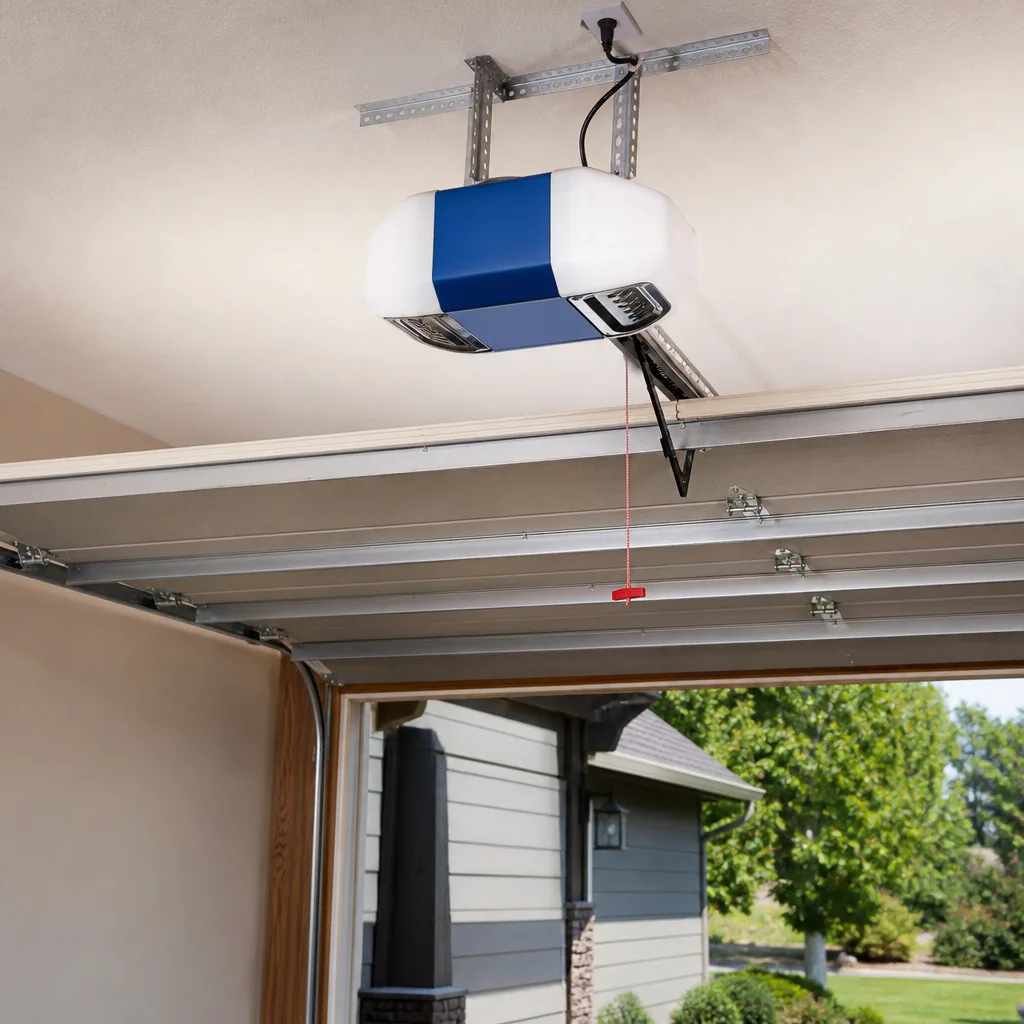 Chamberlain openers
Full 25-point door and opener safety check with every visit - springs, cables, rollers, tracks, and your LiftMaster or Chamberlain opener included
You get a price before we start. It does not change when the truck arrives.
Get your free estimateHow to Hire a Garage Door Contractor in Austin: A Step-by-Step Guide
Here’s the uncomfortable truth about hiring a garage door contractor in Austin: asking “are you licensed and insured?” is the wrong first question. Texas doesn’t require a state license for garage door technicians, so that yes means almost nothing. What actually separates a real specialist from a generalist with a van and a smartphone is whether they’ll put a written price in your hand before any wrench turns. Our Complete Guide to Garage Door in Austin gives you the exact vetting script we’d want our own families to use, built from two decades of working on Austin doors and watching the post-2020 contractor boom flood this market with operators who learned the trade from YouTube videos last month.
Styles & brands we work with
Quick Answer
To hire a garage door contractor in Austin, ask four questions: whether they carry written pre-work pricing, what brands they’re factory-trained on, whether they have a physical Austin address, and what their arrival window actually means. Skip the “licensed and insured” opener because Texas requires neither for garage door work. Then compare written quotes using the Austin market pricing ranges in this guide, and book the company that gives you a real arrival time you can track, not a vague “sometime Tuesday.”
Table of Contents
- What Texas Actually Requires (and Doesn’t) for Garage Door Contractors
- The Four Questions to Ask Any Austin Garage Door Company
- How to Read a Garage Door Service Quote in Austin
- Red Flags Specific to Post-Boom Austin
- What a Legitimate Arrival Window Looks Like
- What Garage Door Work Actually Costs in Austin
- Common Mistakes to Avoid
- When to Call a Professional
- Frequently Asked Questions
- The Bottom Line
What Texas Actually Requires (and Doesn’t) for Garage Door Contractors
Texas is one of the looser states when it comes to garage door work. There is no state-level garage door contractor license. No Texas Department of Licensing and Regulation (TDLR) category covers garage door installation or repair the way it covers electricians, plumbers, or HVAC technicians. A handyman with a general business registration and an insurance policy he bought online can legally start replacing torsion springs in Austin tomorrow morning.
That means the credential conversation has to shift. Instead of asking for a license number that doesn’t exist, ask for these three things:
- Proof of general liability insurance: Legitimate Austin operators carry at least $500,000 in general liability coverage. Ask to see the certificate. If they hesitate, move on.
- Brand-specific training records: The meaningful credential in this trade is factory training. Companies certified on LiftMaster, Chamberlain, Genie, Clopay, Amarr, Wayne Dalton, Craftsman, and Raynor have been vetted by those manufacturers. That’s a harder bar to clear than a generic LLC filing.
- An Austin business address: Not a P.O. box. Not a Houston address with an Austin phone number. A physical location you could drive past. During the 2020-2024 construction surge, Austin absorbed dozens of out-of-market operators who run a local Google listing but dispatch techs from San Antonio or Waco.
At Marlow Garage Door Repair Austin home, every technician is background-checked and trained on eight major brands before they ever roll up to a driveway. That’s the standard you should hold any Austin contractor to in a market where “licensed” isn’t a real differentiator.
The Four Questions to Ask Any Austin Garage Door Company
Here’s the vetting script. These four questions, asked in this order, will disqualify most bad actors in under ninety seconds. We recommend asking them over the phone before you book anything.
- “Do you give me a written price before any work starts?” This single question eliminates roughly 80% of the problem operators in Austin. A legitimate company quotes the job, writes the number down, and gets your approval before touching a single bolt. Companies that refuse, or say they need to “see it first” and “figure out pricing as we go,” are setting up for invoice inflation. The number on the invoice should match the number you agreed to. Every time.
- “What brands are your technicians trained on?” Listen for specific manufacturer names. If they say “all of them” or “whatever you’ve got,” that’s a generalist. A real specialist can name LiftMaster, Genie, Clopay, or Amarr instantly and tell you what they know about your specific door’s hardware. At Marlow, we service eight brands, which means the tech arriving already knows your door, not just doors in general.
- “Where is your shop in Austin?” This one feels rude to ask, but it shouldn’t. A contractor serving Austin should have an Austin presence. No physical address, or an address that Google Maps shows as a UPS Store in Round Rock, is a signal that you’re dealing with a lead-generation shell that will subcontract your job to the lowest bidder.
- “How will I know when you’re actually arriving?” A real answer involves tracking: a live arrival window, a text when the tech is en route, a photo of who’s coming. A non-answer is “we’ll be there sometime in the afternoon.” For working homeowners in a metro area as spread out as Austin, from Cedar Park down to Buda, that vagueness costs you a half day of work.
We built Garage Door Repair in Austin around the answer to that fourth question. Live arrival tracking, background-checked technicians, and a written price before any work begins are the baseline, not the upsell.
How to Read a Garage Door Service Quote in Austin
A garage door quote has three layers: the parts, the labor, and the “while we’re in there” items. Knowing which is which tells you whether you’re getting a fair number or a sales pitch with a repair attached.
Fixed Costs vs. Upsell Opportunities
In the Austin market, spring replacement parts typically run $80 to $180 per spring depending on wire size and cycle rating. Labor for a spring replacement runs $100 to $175 depending on door weight and access. A normal quote for a two-spring torsion replacement lands between $250 and $450 total. When you see a quote well north of that, look for the add-ons.
Common upsell items include:
- Roller replacement: Nylon rollers run $8 to $20 each. Replacing all ten to twelve rollers is a legitimate upgrade, but it should be a line item you can decline, not a mandatory “package.”
- Cable replacement: Cables genuinely wear, and replacing them alongside springs is smart because the labor overlaps. But the cables themselves cost $20 to $50, not $150. If cable replacement is priced like a second full job, ask why.
- Lubrication and “tune-up”: A lithium-based spray and a bolt check take ten minutes. Some Austin operators price this at $89 to $129 as an add-on. It should cost $30 to $50, or be included with the repair you already paid for.
The Normal Austin Parts Markup
Every service company marks up parts. That’s how the business works. A reasonable parts markup in the Austin garage door market is 40% to 70% over wholesale. A garage door opener that costs $220 wholesale from a supplier in Pflugerville might be quoted at $310 to $375 installed. That’s normal. When a quote shows a $220 opener priced at $600, you’re paying for the company’s marketing budget, not the part.
For Garage Door Spring Repair in Austin, the written quote should show you the spring type, the count (one or two), the cycle rating, and the total installed price. If a contractor can’t tell you what wire size or cycle rating your springs are, that’s a knowledge red flag, not just a pricing one. In our experience across Austin’s neighborhoods, from Mueller to Barton Hills, spring failures rarely happen alone. A door that’s been loud for six months usually needs rollers and cables addressed at the same time, and an honest quote breaks those out separately so you can see what’s genuinely needed.
Red Flags Specific to Post-Boom Austin
Between 2020 and 2024, Austin’s construction activity ranked among the fastest-growing of any metro in the United States. That pulled a wave of trade contractors into the market, and garage door service absorbed its share of under-licensed operators. Here are the red flags we’ve seen repeatedly, specific to this city and this moment:
- The unmarked van: Legitimate Austin garage door companies send out vehicles with branding, or at minimum uniformed techs with company ID. An unmarked personal truck with a magnetic sign slapped on the side suggests a solo operator who may or may not stand behind his work tomorrow. If something goes wrong, you want a company to call, not a phone number that gets blocked.
- No physical Austin address: Covered in the questions section, but worth repeating: during the boom, out-of-market companies set up Austin area codes and Google Business Profiles while operating from Dallas or Houston. Their profit model is lead arbitrage, not local accountability.
- Quote-only-after-inspection policies: Some operators refuse to give any price over the phone, then show up and “discover” additional problems that balloon the invoice. A legitimate company can give you a price range over the phone for standard work like Garage Door Cable Repair in Austin, and will write the actual number before starting anything.
- Cash-only pricing: If the “good price” is contingent on paying cash, you’re dealing with an uninsured operator who may not have liability coverage if his spring snaps and puts a hole in your drywall. Or worse, sends him to the hospital on your property.
- Pressure to replace instead of repair: A 15-year-old garage door opener with a stripped gear is repairable. A company that insists a $180 gear replacement requires a $500 new opener is padding its margin. The exception is genuinely obsolete openers where parts are no longer manufactured, but that should be explained with specifics, not asserted.
These aren’t hypotheticals. We’ve been called out to Austin homes where a previous contractor left a spring installed with the wrong wire size, or cables routed incorrectly, and the homeowner only found out when the door fell off its track. The post-boom influx made this more common, not less.
What a Legitimate Arrival Window Looks Like
A “sometime Tuesday” commitment isn’t a window. It’s a shrug. And for Austin homeowners who work jobs with actual schedules, who commute across the river, who can’t burn a four-hour block waiting on a door, it’s a non-answer.
A legitimate arrival commitment has three parts:
- A defined window: Two hours is reasonable. Four hours is not. A company that tells you “we’ll be there between 9 and 11” is running a dispatch operation. A company that says “we’ll be there at some point in the afternoon” is running a hope.
- A live mechanism: Before the tech arrives, you should be able to see where they are. A text with a tracking link, a live arrival time that updates, a photo of the technician. This isn’t a luxury feature in 2026. It’s table stakes for any service that books from a phone.
- A name and a face: You should know who is walking up your driveway before they ring the bell. Background-checked, uniformed, with a name you learned ahead of time. Not a stranger who materializes at the door.
Marlow Garage Door Repair Austin built The Relay Visibility Guarantee around exactly this: a live arrival time you can track, before-and-after photos, a written price before work starts, and a digital invoice you pay from a link. No phone tag. No “we’re running late” calls at 2:45 for a 1:00 window. The tech’s location updates the way your delivery driver’s does.
What Garage Door Work Actually Costs in Austin
Here are the realistic price ranges we see across Austin in 2026. These are the numbers you should use to evaluate any quote:
| Service | Austin Price Range | What Affects the Price |
|---|---|---|
| Torsion spring replacement (single) | $150 – $290 | Wire size, cycle rating, door weight |
| Torsion spring replacement (pair) | $250 – $450 | Both springs worn, standard practice |
| Cable replacement (pair) | $130 – $250 | Labor overlap with spring work, cable length |
| Garage door opener replacement (installed) | $350 – $650 | Opener model, brand, smart features |
| Roller replacement (full set) | $90 – $180 | Nylon vs. steel, count |
| Diagnostic service call | $50 – $100 | Often waived if repair is completed |
Spring replacement typically runs $150 to $290 per spring, depending on spring type. You’ll see the exact number before we start, in writing, on every Marlow job. That’s the standard. A company quoting $600 for a single spring is either selling you a much heavier spring than your door needs, or inflating the number. Either way, the written price solves the problem before it exists.
Garage door openers in Austin swing more on brand than most people expect. A basic Genie or Chamberlain chain-drive opener installed might run $350 to $450. A belt-drive LiftMaster with battery backup and smart-home integration can hit $650. Both are fair at those numbers. What’s not fair is a $220 motorized core quoted at $500 plus $200 in “installation labor” when the job takes an hour.
Common Mistakes to Avoid
- Asking “are you licensed?” and stopping there. Texas doesn’t license garage door techs, so a yes is meaningless without insurance and brand training to back it up. Ask for the insurance certificate and the brand list instead.
- Booking the first Google result without checking for a physical address. During Austin’s construction boom, lead-generation companies with no local shop and no real technicians bought their way to the top of search results and subcontracted jobs to whoever would take them.
- Accepting a quote given verbally with nothing written down. A verbal estimate is a suggestion, not a contract. If the final invoice is $200 higher and nothing was written down, you have no recourse. Get the price in writing before work starts.
- Assuming the cheapest quote is a good deal. A spring installed with the wrong wire size fails early, often violently. A “cheap” spring replacement that snaps in six months and takes out a cable costs more than the right spring installed once.
- Waiting four hours in an undetermined window. Your time has value. If a company can’t tell you when they’re arriving and can’t show you where the tech is, you’re not a customer. You’re a fill-in slot.
- Skipping the multi-point inspection when something breaks. A snapped spring is rarely the only thing wrong with a door. The cables wore unevenly, the rollers are grinding, the opener is working harder than it should. A quality Austin contractor checks the whole system and tells you what it found, even when it means fewer immediate billable items.
- Paying for a full replacement before a repair quote is given. Most garage door issues are repairable. A reputable Austin technician will tell you when a repair makes sense and when replacement is genuinely cheaper long-term, and will show you the numbers for both.
When to Call a Professional
Garage door work is one of the few home-service categories where the “you can do this yourself” advice is genuinely dangerous, as we explore in our DIY vs Professional Garage Door: The Austin Homeowner’s Decision Guide. Torsion springs, the horizontal coils above your door, are under hundreds of pounds of tension. When one lets go without proper tooling and technique, it can take off a finger, shatter a forearm, or worse. Even a visual inspection of a broken spring should be done from a safe distance, not up close. Cables whip when they snap. Doors fall when tracks misalign. These are not risks worth taking to save $150.
Call a professional when: a spring is visibly broken, the door makes a loud bang and stops opening, cables appear frayed or loose, the door is off its track, the opener runs but the door doesn’t move, or the door is stuck half-open with a vehicle inside. Marlow Garage Door Repair Austin offers free estimates in Austin, call (361) 320-8872, and every repair is covered by the 365-Day Done Right Promise.
Frequently Asked Questions
Most garage door repairs in Austin run between $150 and $450 depending on the component. Spring replacement is the most common repair at $150 to $290 per spring, cable replacement runs $130 to $250, and opener replacement with installation lands between $350 and $650. The exact price is written down before any work starts, so the invoice matches the agreement every time. Call (361) 320-8872 for a free estimate.
No. Texas does not require a state license for garage door installation or repair work. That’s why asking “are you licensed?” is the wrong first question. Instead, ask for proof of general liability insurance, brand-specific training records, and a physical business address in Austin.
Look for the written-price requirement. Companies that refuse to give you a written price before work starts are the ones most likely to inflate the invoice at the door. A legitimate Austin contractor quotes the job, writes the number down, and gets your approval before touching a single bolt. The written price is the difference between a quote and a suggestion.
Many Austin garage door companies, including Marlow, offer same-day service for repair calls. The distinguishing factor is whether that promise comes with a live arrival window. You should be able to see where your tech is before they arrive, not just hope they show up sometime before dinner.
Ask these four: Do you give a written price before any work starts? What brands are your technicians trained on? Where is your shop in Austin? How will I know when you’re actually arriving? These four questions disqualify most bad actors in under ninety seconds.
Austin’s heat cycling accelerates spring wear, which is why we published Seasonal Garage Door Care for Austin: Year-Round Homeowner’s Guide. Garage door springs are rated for a number of cycles, each open-and-close counts as one, and the expansion and contraction from Central Texas temperature swings plus the humidity from spring storm season stresses the metal. Most Austin doors get 8,000 to 12,000 cycles out of standard springs, which translates to roughly 7 to 10 years of normal use. Upgraded high-cycle springs extend that meaningfully.
The Bottom Line
Hiring a garage door contractor in Austin comes down to one principle: transparency before trust. Texas licensing won’t protect you. Google reviews are gamed. The only reliable filter is the written price requirement, a real Austin address, brand-specific training, and a live arrival window you can see. Ask the four questions. Read the quote line by line. Compare numbers against the Austin market ranges in this guide, or explore more guides & resources. A company that puts the price in writing before work starts, shows you who’s coming, and backs the repair with a year-long written guarantee isn’t the cheapest option. It’s the only sensible one.
Written by Jaylen Ross, Owner at Marlow Garage Door Repair Austin, serving Austin since 2002.
See the difference
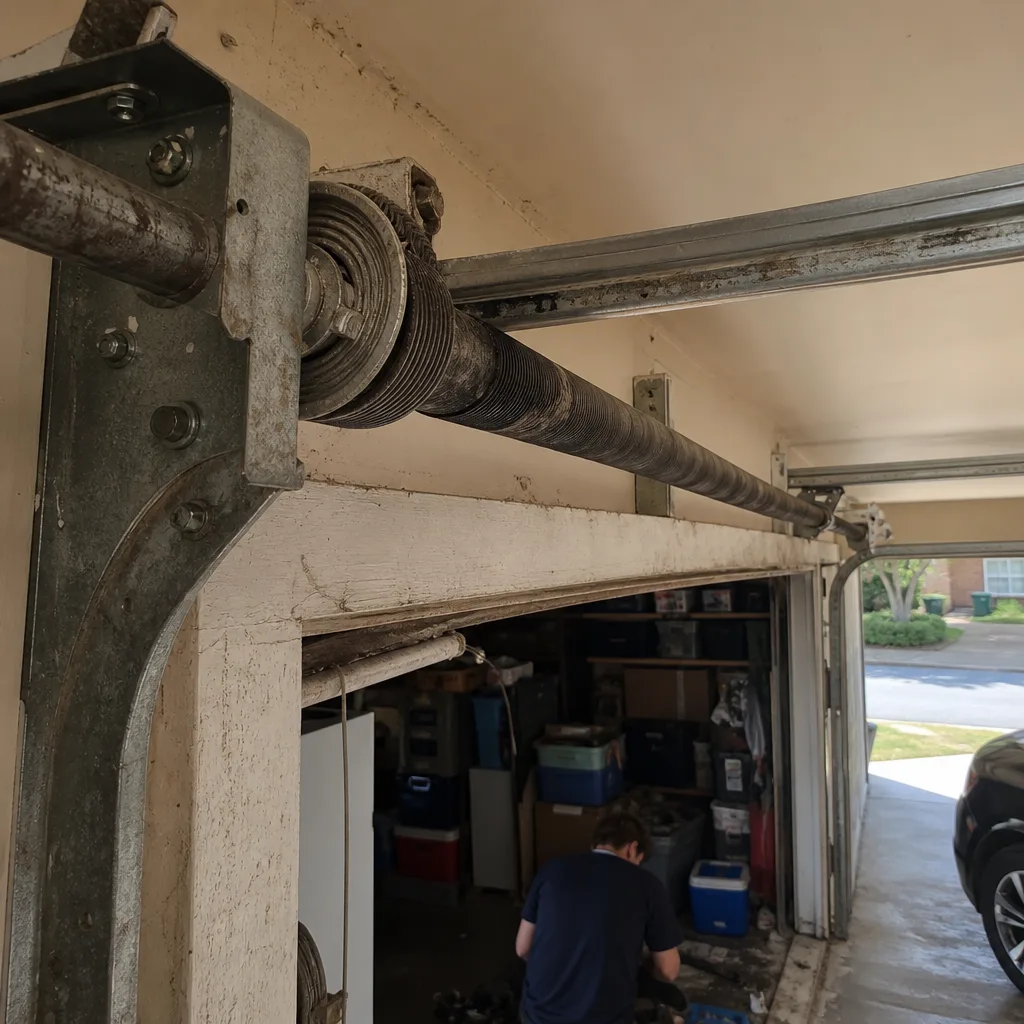 Before
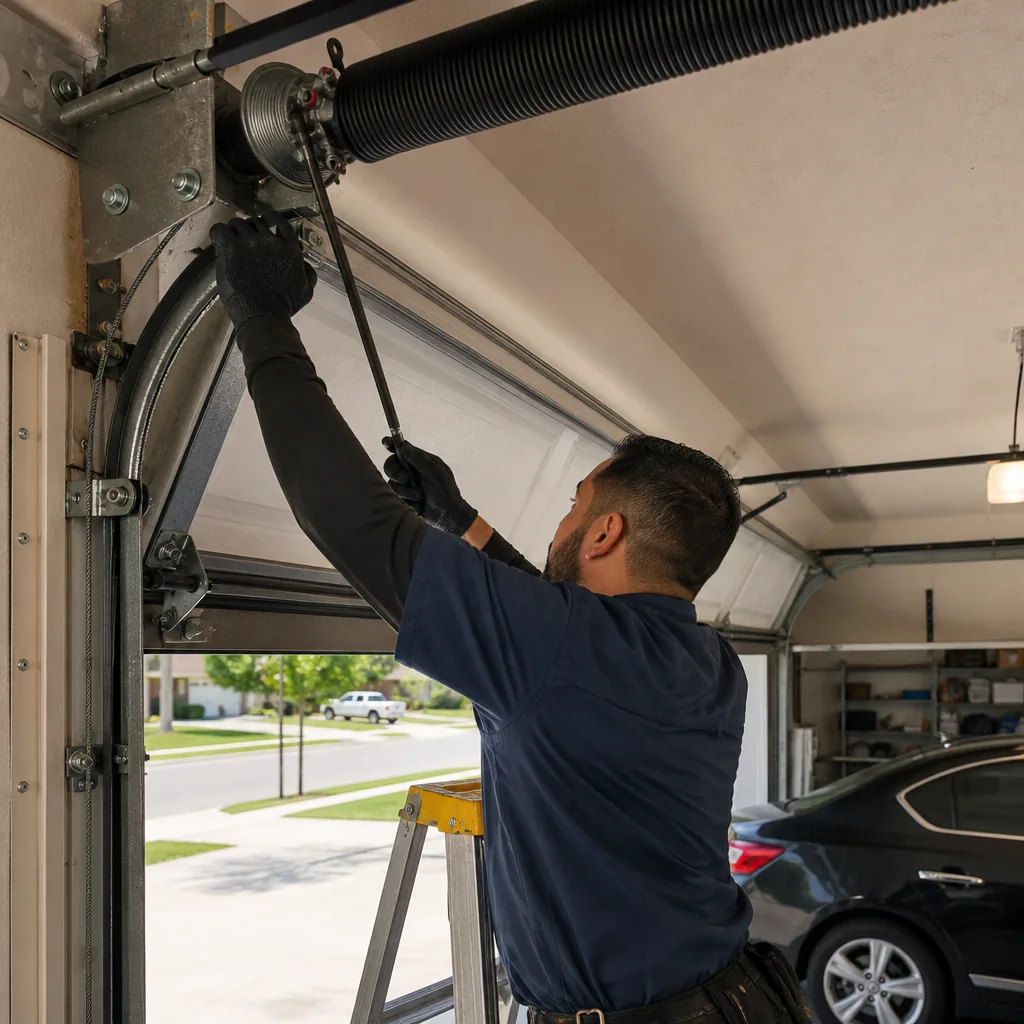 After
After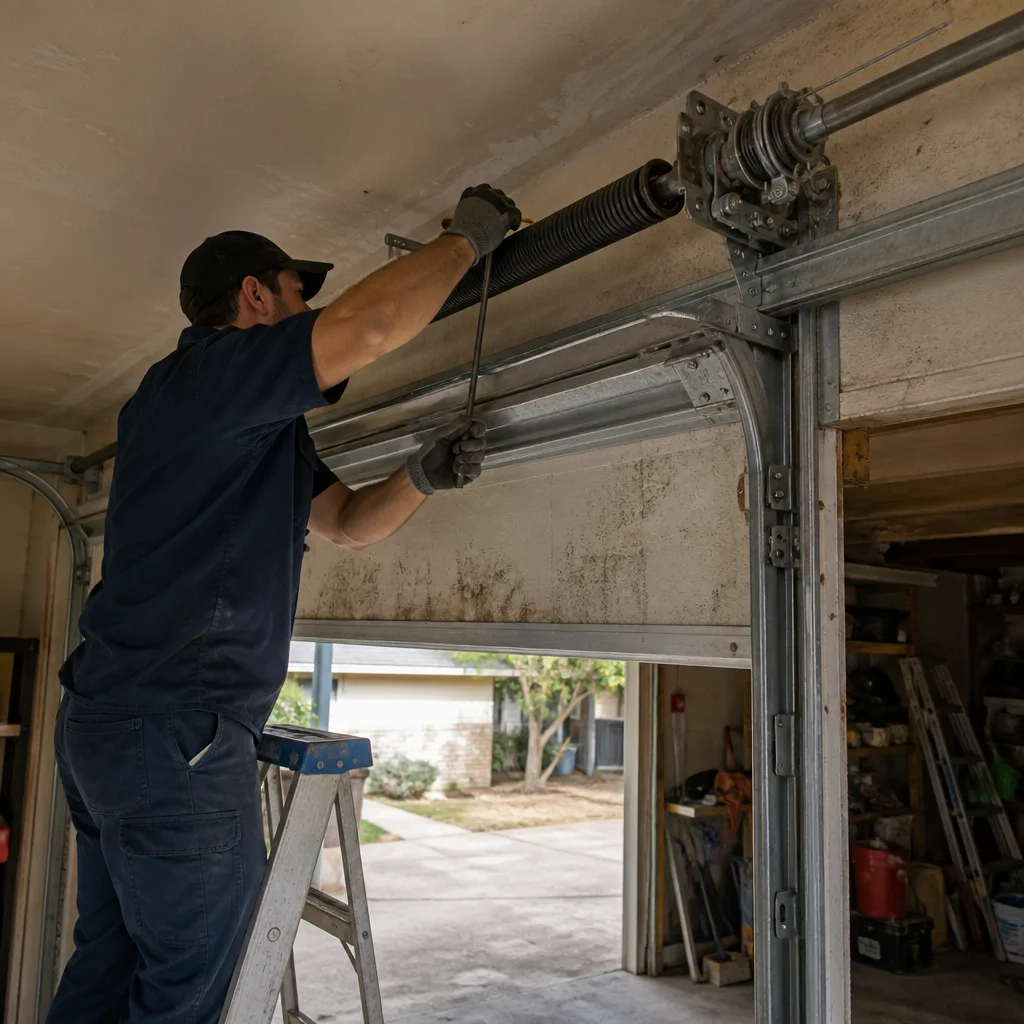 Before
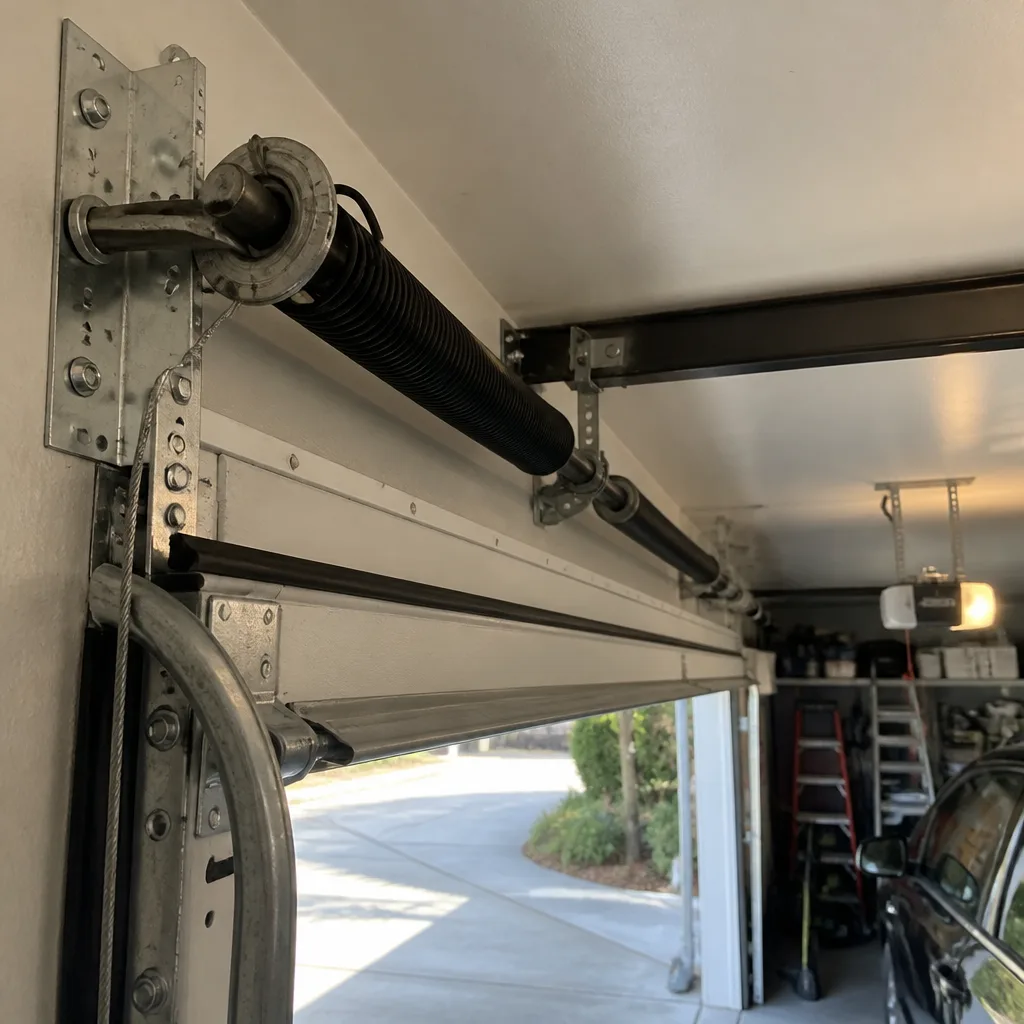 After
After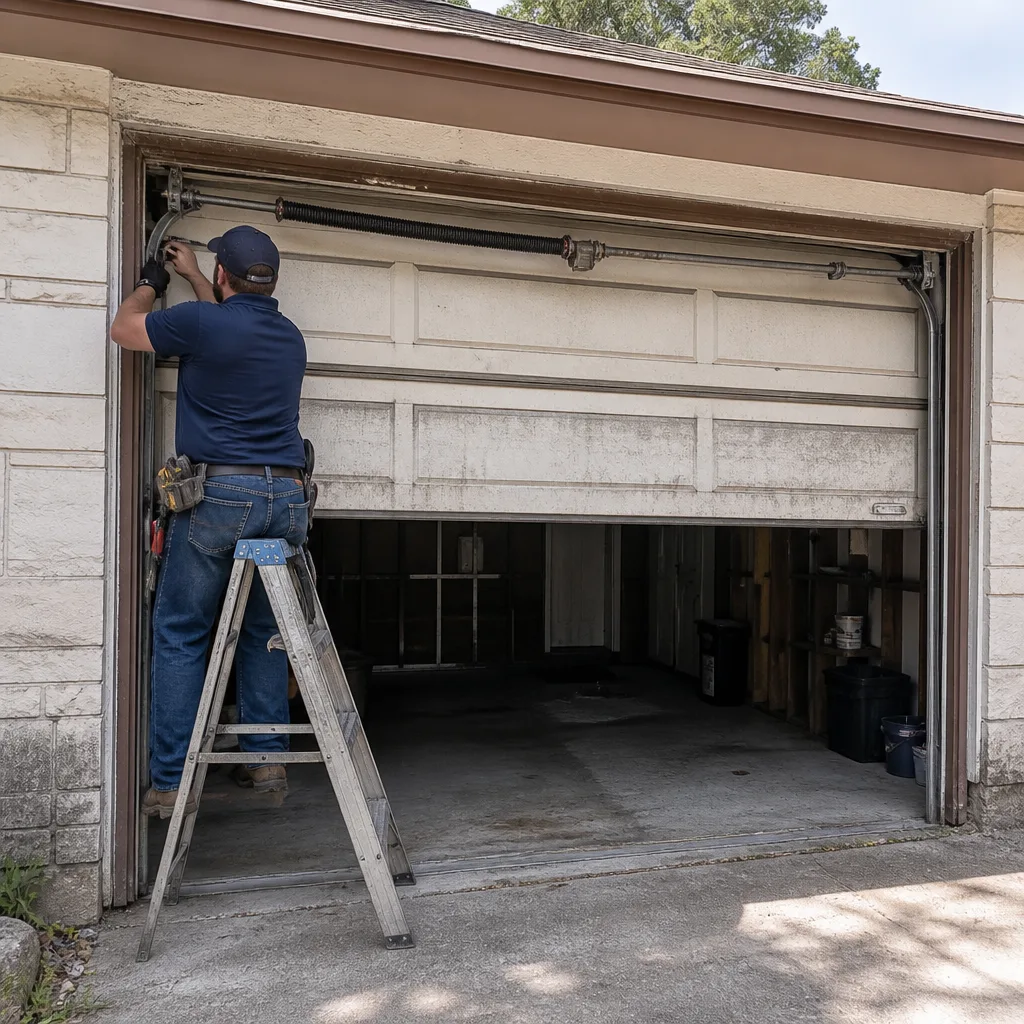 Before
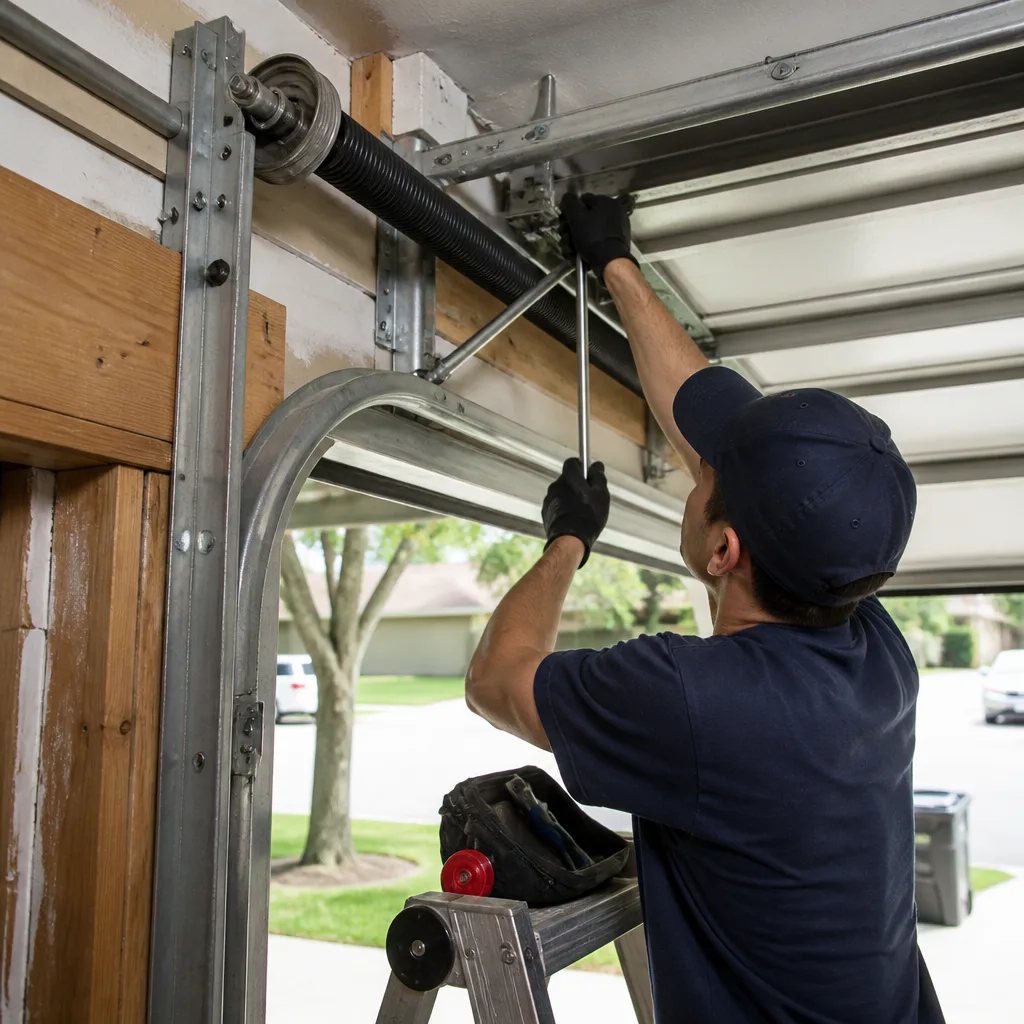 After
After