
Last updated October 16, 2026
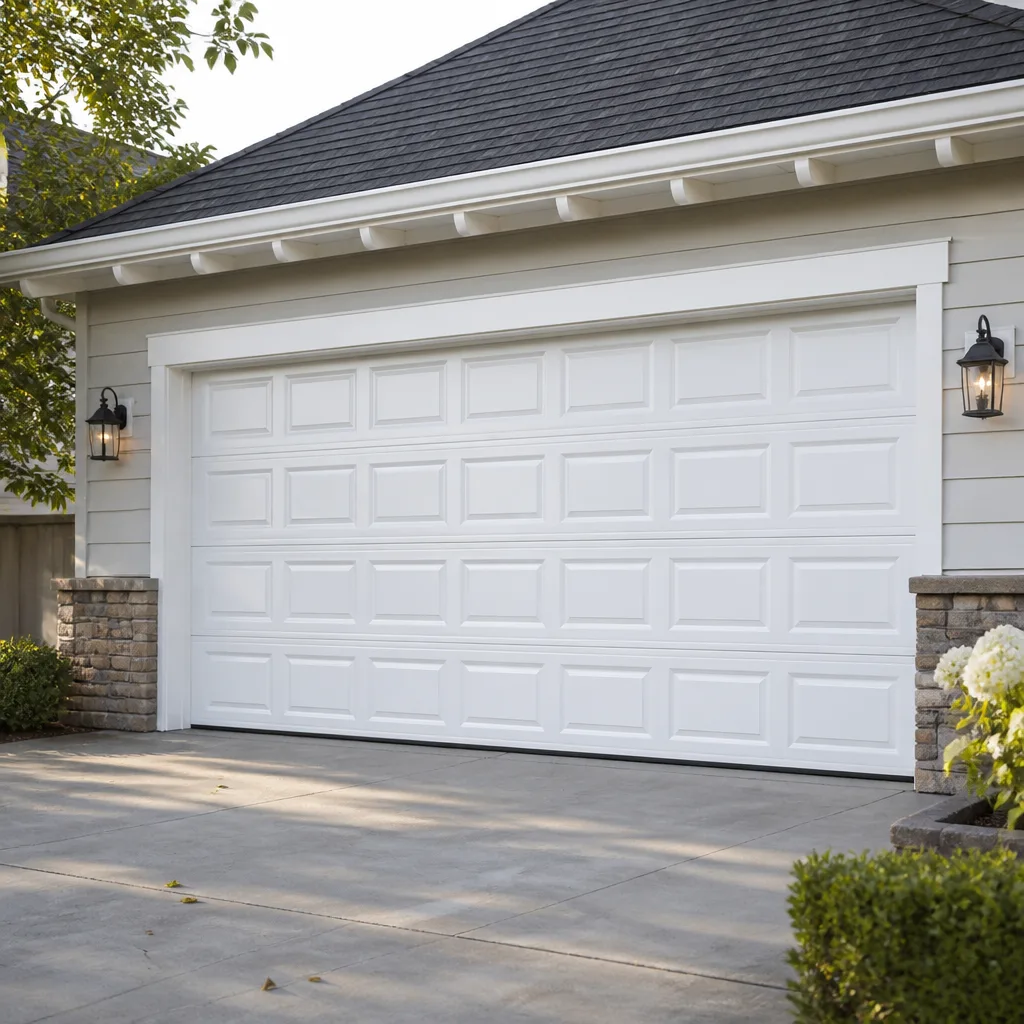 Raised-panel steel
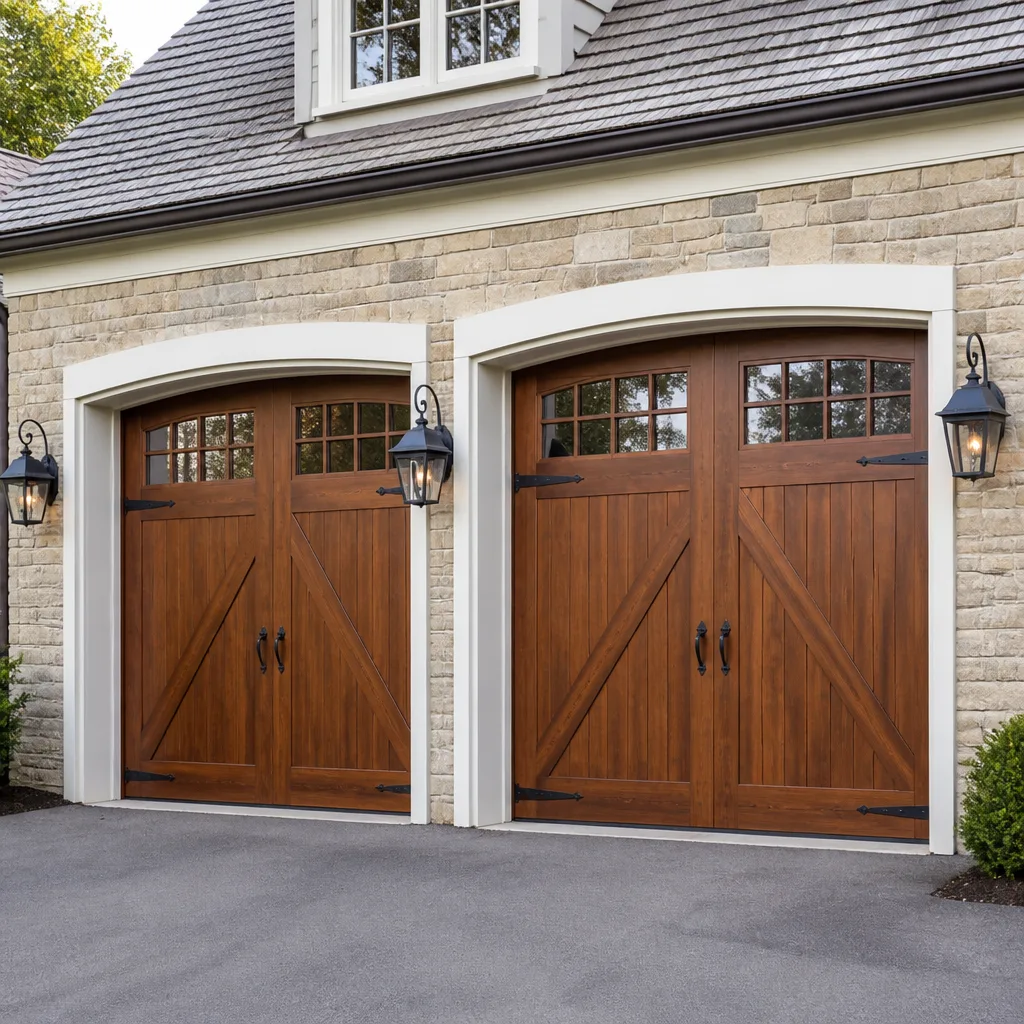 Carriage house
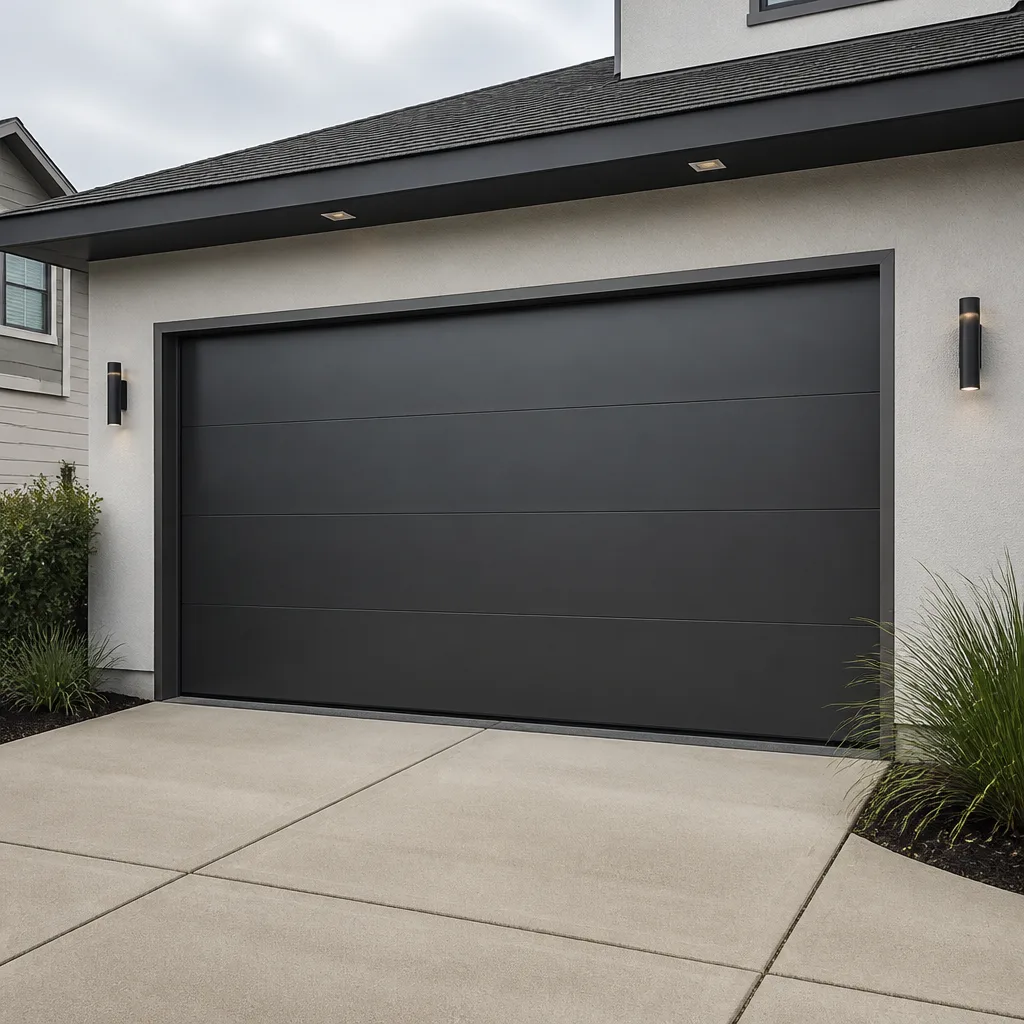 Modern flush
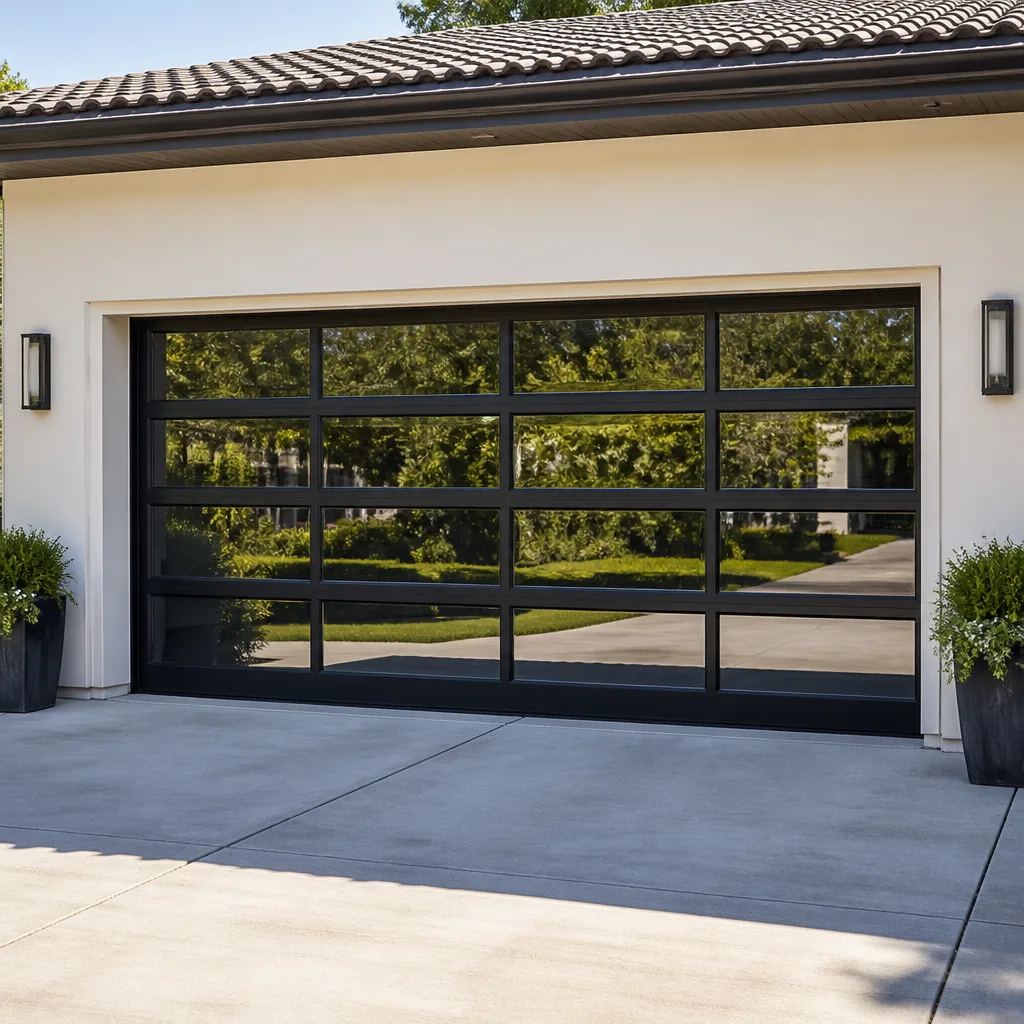 Full-view glass
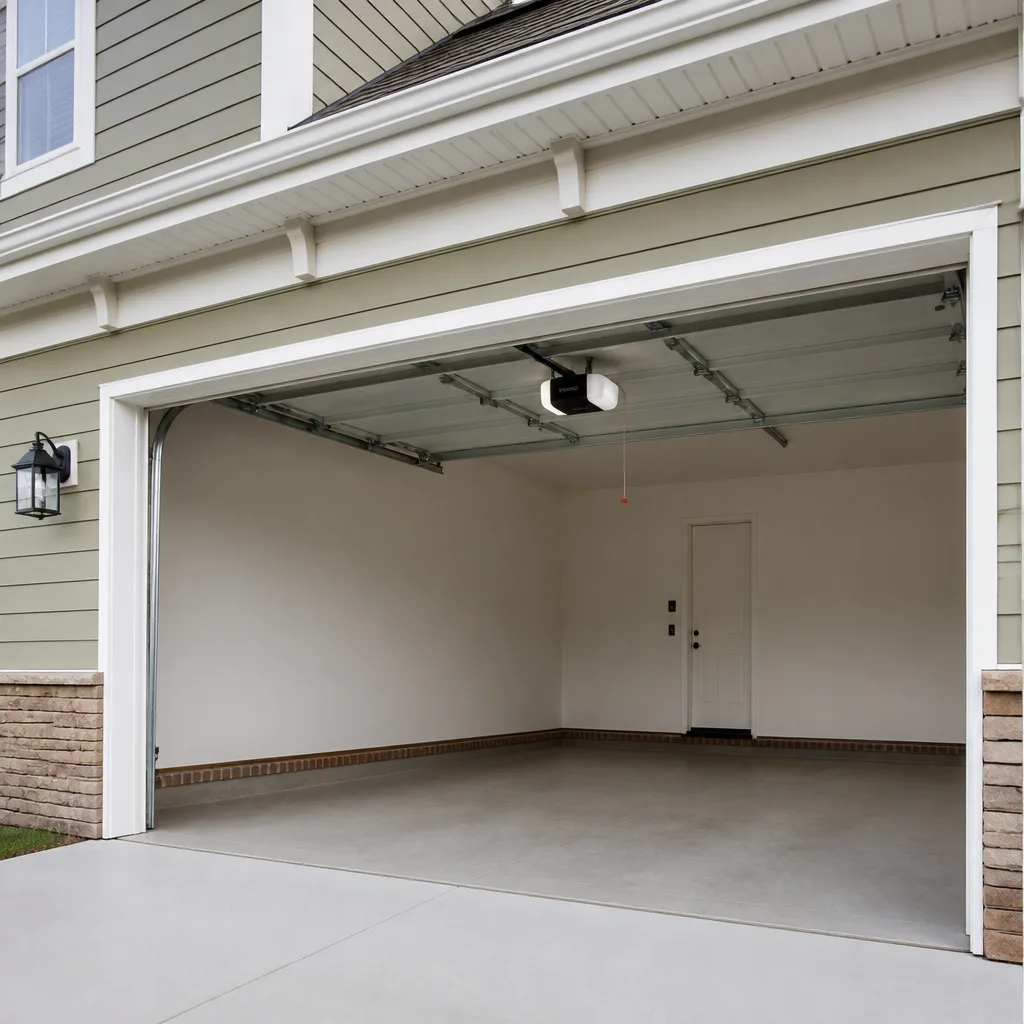 LiftMaster openers
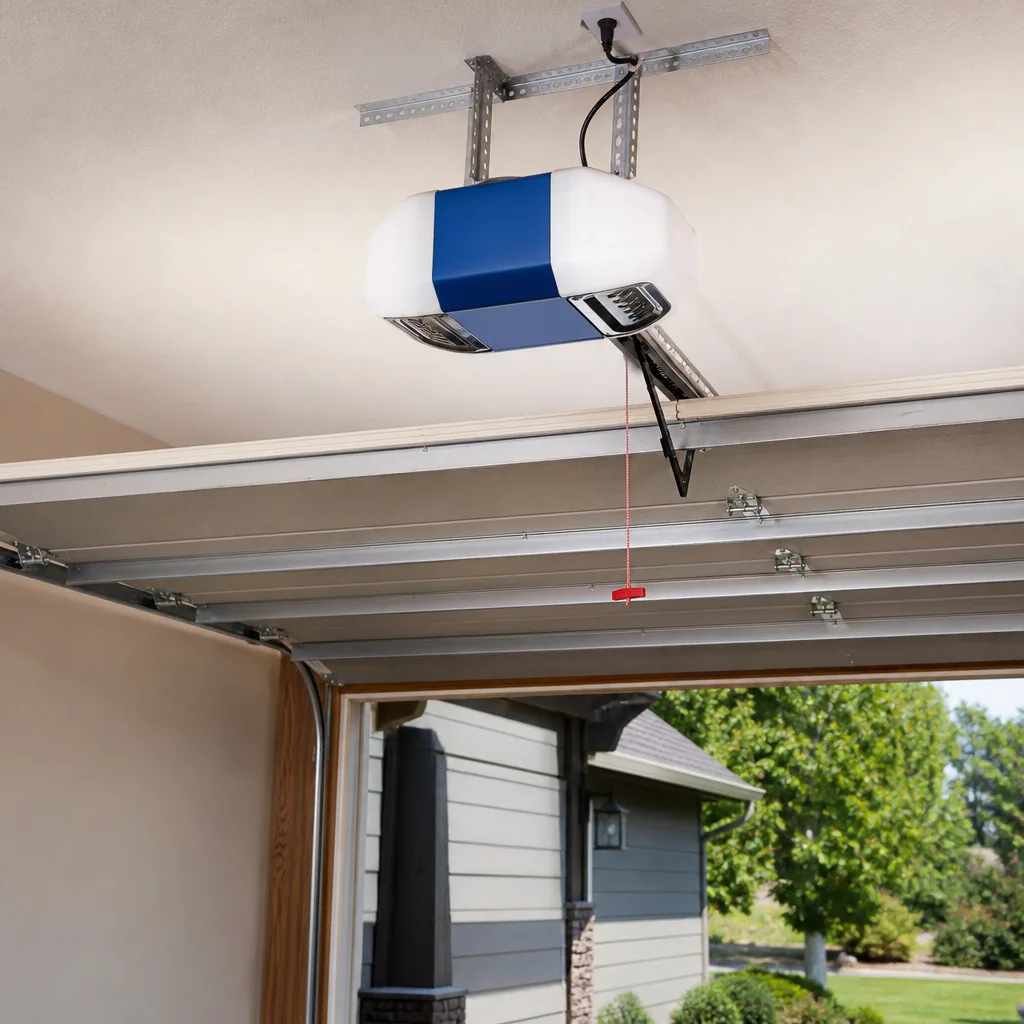 Chamberlain openers
Full 25-point door and opener safety check with every visit - springs, cables, rollers, tracks, and your LiftMaster or Chamberlain opener included
You get a price before we start. It does not change when the truck arrives.
Get your free estimateSeasonal Garage Door Care for Austin: Year-Round Homeowner’s Guide
February is Austin’s most damaging month for garage door springs. Not because of cold. Because of the 40-degree single-day swings that hit metal components harder than a sustained freeze ever would. A spring that survives July’s 105-degree heat wave will snap on a Tuesday in February when the morning starts at 38 and the afternoon hits 78. This guide covers what Austin’s actual weather does to your garage door throughout the year, what breaks and when, and the maintenance schedule that prevents most failures before they strand you in the driveway. For a deeper dive, see our The Complete Guide to Garage Door in Austin.
Styles & brands we work with
Quick Answer
Seasonal garage door care in Austin comes down to four things: clean your rollers and hinges during cedar season (January through February), check opener heat exposure before summer peaks (June through August), inspect weather stripping when humidity drops in October, and test the door’s balance before spring storm season starts in March.
Table of Contents
- Cedar Season (January – February): Pollen Is a Mechanical Problem, Not Just an Allergy Problem
- Spring Storm Prep (March – May): Before the Hail Comes
- Summer Heat Peak (June – September): Your Opener Is Cooking in the Attic Above Your Door
- Fall Humidity Drop (October – November): The Adjustment Window Most Homeowners Miss
- Austin’s “Winter” (December – February): Temperature Swings Break More Springs Than Freezes Do
- The Austin Seasonal Task Map: A One-Page Plan You Can Print
- Common Mistakes to Avoid
- When to Call a Professional
- Frequently Asked Questions
- The Bottom Line
Cedar Season (January – February): Pollen Is a Mechanical Problem, Not Just an Allergy Problem
Every January, Austin turns yellow. Mountain cedar pollen coats cars, patios, air filters, and your garage door hardware. Most guides skip this entirely. But pollen is sticky. It’s not a dry dust that blows off. Cedar pollen adheres to grease and lubricant on your rollers, hinges, and tracks, turning smooth bearing surfaces into gritty paste. Over weeks, that paste acts like sandpaper. Rollers that should spin freely start grinding. Hinges bind. The door gets louder and the opener motor works harder than it was designed to.
The fix is unglamorous: compressed air and a clean rag. Blow out the tracks, wipe down the rollers and hinges, then re-apply a silicone-based lubricant to bearings only. Don’t use WD-40. It’s a solvent, not a lubricant, and it’ll strip whatever protective film was already there. Do this once in January and again in February. It takes 20 minutes and prevents the kind of uneven wear that leads to a Garage Door Repair in Austin call in March.
One more cedar-specific detail: the gap at the bottom of your door is a pollen highway. If your garage connects to your house and you have a door that doesn’t seal tightly against the floor, pollen moves in every time the door opens. That’s a weather stripping conversation, and October is actually the better time to replace it. More on that below.
Spring Storm Prep (March – May): Before the Hail Comes
Austin’s hail season runs from March through May, and the city sits in one of the most active hail corridors in Texas. Your garage door is the largest single surface on the front of your home. When a hailstorm hits, it takes the brunt. Here’s what most homeowners don’t think about until it’s too late: the door may still open and close after hail damage, but the structural integrity of the panels is compromised. A door with dented panels is weaker. It flexes more. Springs and cables on a flexing door wear unevenly and fail sooner than they should.
Before storm season starts, do this:
- Test the door balance. Pull the release cord when the door is closed (make sure it’s closed first, not open). Lift the door manually to waist height and let go. A balanced door stays put. If it falls or shoots up, the springs are out of adjustment. Balance problems get worse during temperature swings, so catching this in March gives you a month of buffer before spring storms arrive.
- Inspect cables for fraying. Look at both sides of the door, along the vertical tracks. The cables should be smooth and taut. If you see loose strands, rust, or a kink, that cable is living on borrowed time. A snapped cable sends the door crashing down on one side, and it’s a genuinely dangerous failure. Do not attempt a cable repair yourself. The tension involved can cause serious injury. Call a professional.
- Photograph the door condition now. Take clear photos of the exterior panels, inside and out, along with the tracks, springs, and cables. If hail does hit, you’ll have dated documentation for your insurance claim. Austin homeowners who can show pre-storm condition resolve claims faster. This is worth 5 minutes in March.
- Program your opener’s manual release properly. Before a storm, make sure you know how to open the door manually if power goes out. Practice once. The release cord should hang freely and pull smoothly. When the power’s out and a storm has passed, you may need to get a car out before the utility crews arrive.
For any of this, if you’d rather have a second set of eyes, a trained technician can do a full seasonal inspection in under an hour. We’re trained on eight leading brands including Clopay, Amarr, and Wayne Dalton, so the person checking your door knows what to look for on those specific panels and tracks. Call (361) 320-8872 to schedule one before hail season peaks.
Summer Heat Peak (June – September): Your Opener Is Cooking in the Attic Above Your Door
Austin summers don’t just test your air conditioner. They test your garage door opener’s circuit board. Most openers are mounted to the ceiling of the garage. By late afternoon in July, the air in that space above the door can reach 105 degrees, and the ceiling-mounted unit absorbs that heat directly. Motor overload protection trips. Circuit boards overheat. Logic boards that cost $150 to $300 to replace fail prematurely. We’ve seen this pattern in subdivisions across Cedar Park, Pflugerville, Round Rock, and throughout Austin proper: opener failures spike in late August, not because of usage, but because of heat soak.
What helps:
- Ventilate the garage in June. If you have gable vents, make sure they’re not blocked by storage boxes or insulation. A small fan on a timer can drop the garage interior temperature by 5 to 10 degrees, which is enough to keep the opener below its thermal cutoff.
- Park a hot car outside for 30 minutes after driving. This sounds trivial, but a car engine radiates heat into the garage for a half hour after you park. That heat rises directly to the ceiling-mounted opener. Parking outside briefly during June through September reduces the heat load on the opener electronics.
- Replace incandescent garage bulbs with LEDs. Old bulbs in the opener itself or in the garage generate waste heat. It’s a small fix, but every degree matters on the days Austin hits 105.
- Know the signs of heat damage. If the opener works in the morning but refuses to run in the late afternoon, that’s a thermal issue, not a mechanical one. If the door starts down, reverses, and stops, that’s often the logic board overheating. Both are fixable, but the fix is different. Don’t keep pressing the button. You’ll compound the damage.
- Check the gap along the bottom. At dusk, shine a flashlight inside the garage at the bottom of the door while standing outside. If you see light through the seal, it’s time to replace it.
- Check the side weather stripping. Run your hand along the vertical strips on both sides of the door. They should be pliable, not crumbly. If they feel like dry toast, they’re done.
- Re-secure any loose stripping. The flexible nails and screws that hold weather stripping in place can loosen with temperature cycles. A loose strip lets air and pests in even if the material looks fine.
- Lubricate the seal. A silicone-based dressing on rubber seals keeps them flexible through the winter temperature swings. Petroleum-based products break down rubber. Avoid them.
- Listen for the squeak. A spring that’s nearing the end of its life often starts squeaking or creaking as it moves. If you hear a new noise from the spring area, don’t ignore it.
- Watch the balance. A weakening spring can’t hold the door at waist height. Test the balance as described above. If the door sags or drops, the spring is fading.
- Don’t ride a failing spring. If the door feels heavier than it used to, or the opener sounds strained, you’re on borrowed time. The spring will snap when you least want it to: morning, car inside, kids waiting for school.
- Clean rollers, hinges, and tracks with compressed air and a rag
- Re-lubricate bearings with silicone spray (not WD-40)
- Check weather stripping for cracks caused by cold nights
- Listen for spring squeaks and test door balance
- Test door balance and inspect cables for fraying
- Photograph door condition for insurance documentation
- Practice manual release operation
- Schedule any professional inspection before hail peaks
- Clear vents and consider a fan for garage ventilation
- Park hot cars outside for 30 minutes before pulling in
- Switch to LED bulbs in and near the opener
- Watch for late-afternoon opener failures (heat soak)
- Inspect and replace bottom astragal seal if gaps appear
- Check side weather stripping for brittleness
- Re-secure loose stripping fasteners
- Apply silicone dressing to rubber seals
- Repeat spring and balance inspection from February
- Check that all hardware is tight (temperature cycles loosen bolts)
- Confirm weather stripping is still sealing after the first hard cold front
- Using WD-40 as a garage door lubricant. WD-40 is a cleaner and water displacer. It strips the thick grease your rollers and hinges need. Use silicone spray or white lithium grease on the right parts instead.
- Ignoring a noisy door. Noise is not normal. A grinding, squeaking, or rattling door is telling you something. Waiting until it fails turns a $20 lubrication fix into a $300 spring replacement.
- Replacing both springs when only one breaks. Yes, this sounds like the opposite of a mistake. But here’s the issue: if one spring snapped and the other is the same age, it will snap soon after. Replacing only the broken spring means paying for two service calls instead of one. Replace both at the same time.
- Testing the door balance while the door is open. This is dangerous. The door is held under tension. Pulling the release cord when the door is open can send it crashing down. Always test balance with the door closed.
- Thinking hail damage doesn’t matter because the door still works. A dented door flexes differently. That uneven stress shortens spring and cable life. File the insurance claim and get the panels replaced.
- Replacing weather stripping in January. The seal is coldest and least flexible in midwinter. It will split or seat poorly. Do this job in October.
If you’re seeing these heat-related failures, Garage Door Spring Repair in Austin isn’t relevant. This is an opener issue. The honest advice: call a technician who can diagnose whether it’s the board, the motor, or the sensors. A written price before any parts get ordered means you’re not gambling on a repair that costs more than the opener’s worth.
Fall Humidity Drop (October – November): The Adjustment Window Most Homeowners Miss
In October, Austin’s humidity drops fast. The air dries out, temperatures swing from 45 at night to 80 by midafternoon, and wood, vinyl, and rubber weather stripping all contract. The bottom seal on your garage door, called an astragal seal, shrinks. Gaps open along the sides where the door meets the frame. Drafts, dust, leaves, and crickets get in. By winter, the seal has become brittle, and when temperatures drop further in January, a stiff seal that can’t flex will tear when the door opens.
This is the adjustment window most homeowners miss. They wait until the seal cracks in January and then replace it in the cold, when it’s least flexible and most likely to go in wrong. October is the right time.
This is a 30-minute job that most homeowners can do themselves. If you’d rather not climb a ladder or deal with hardware, the team at Garage Door Cable Repair in Austin can handle seal replacement as part of a broader seasonal tune-up.
Austin’s “Winter” (December – February): Temperature Swings Break More Springs Than Freezes Do
Here’s the part most garage door guides get wrong. They treat winter as the cold season. But Austin doesn’t have a cold season. It has a swing season. A 38-degree morning followed by a 78-degree afternoon. A 40-degree overnight drop that repeats for a week. Then a blue norther that drops 30 degrees in six hours.
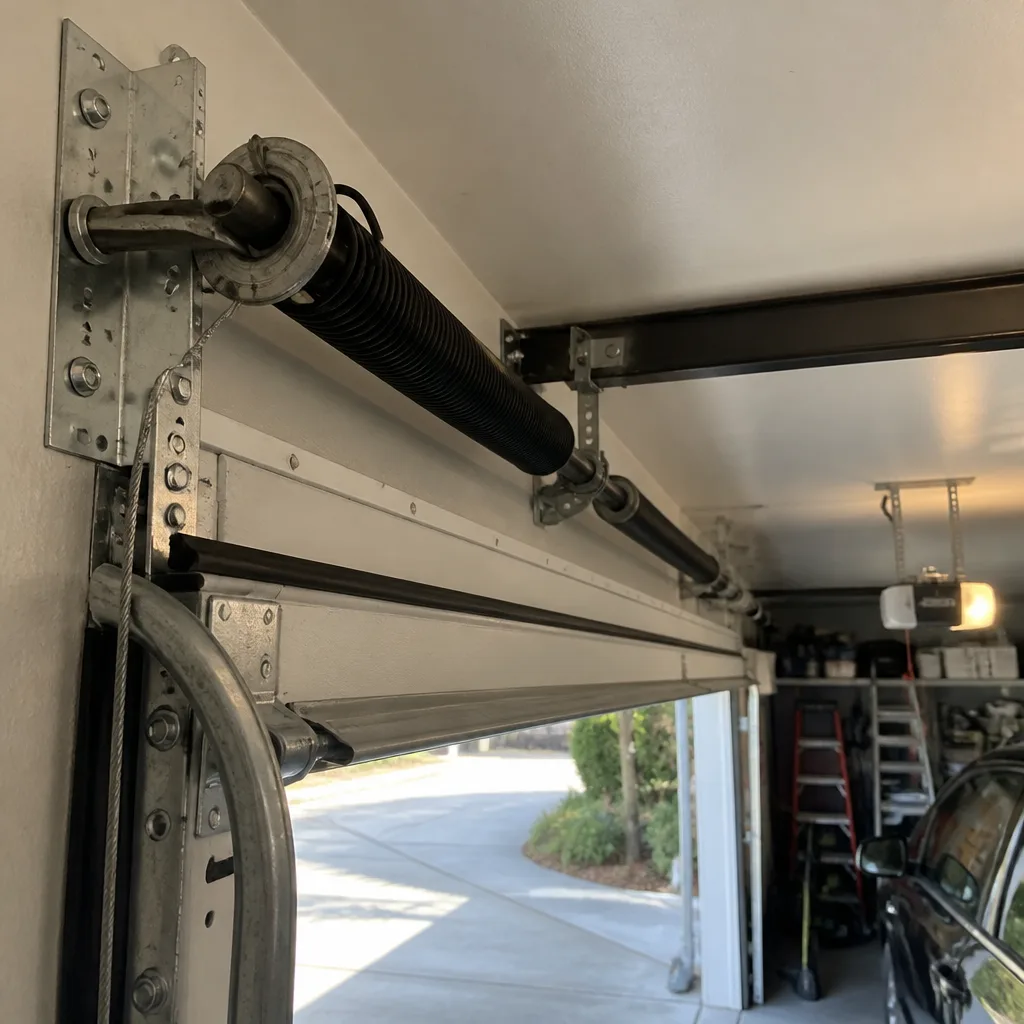
High-carbon steel torsion springs don’t break because they freeze. They break because they expand and contract thousands of times over their life, and every cycle adds micro-fractures. The faster and wider the temperature swing, the more stress per cycle. February in Austin produces the exact temperature profile that puts the most stress on an aging spring.
We’ve seen this pattern for years. Spring failures in Austin spike in February. Not August, when the heat is most uncomfortable. February. A typical torsion spring lasts about 10,000 cycles. In a climate with fewer severe swings, that’s 8 to 10 years. In Austin’s swing-heavy climate, it’s more often 6 to 8 years.
What to do in December and February:
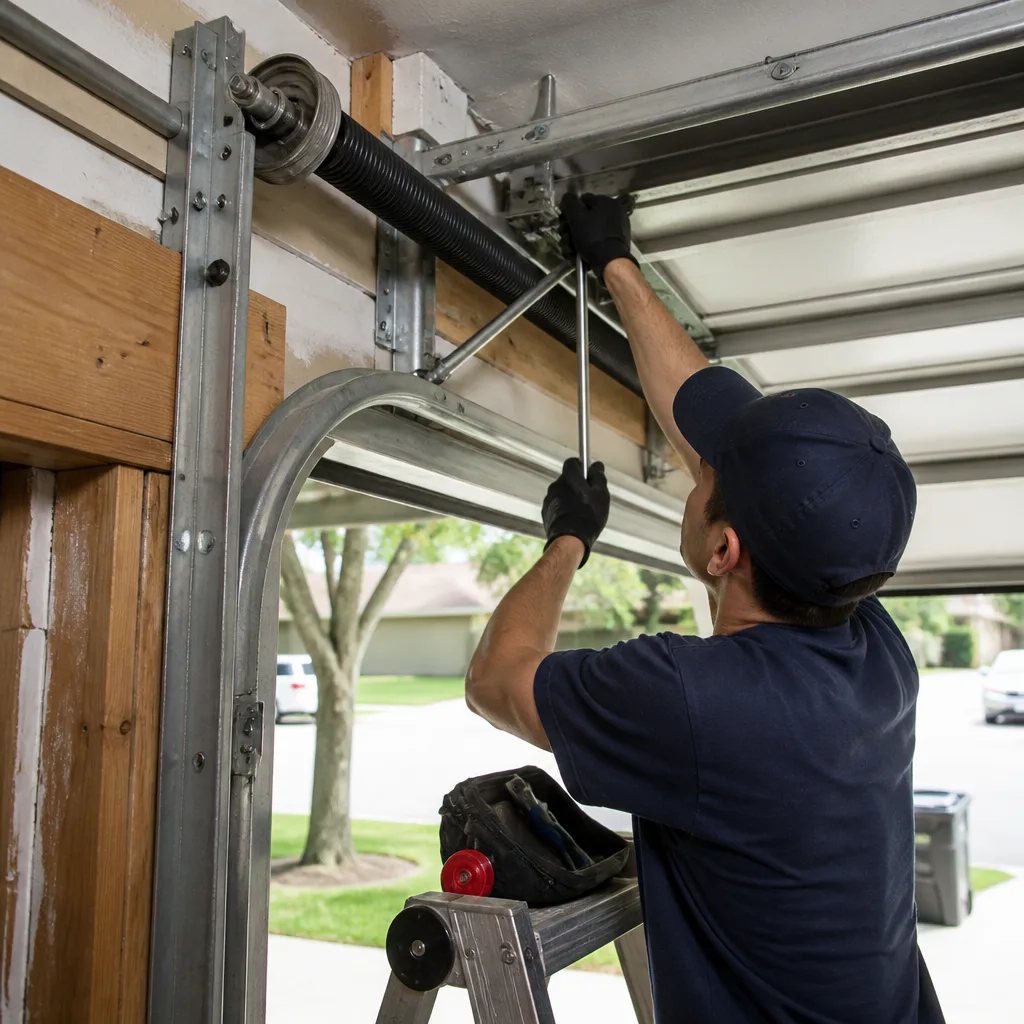
A snapped spring is a controlled failure if you handle it right. It is not a DIY repair. The spring is under hundreds of pounds of tension. If it releases while you’re working on it, the force can cause severe injury. Call a professional. The exact cost of replacement depends on the spring size and type, but you’ll see a written quote before any work starts. That’s how our shop operates, and it’s the way the whole industry should operate.
The Austin Seasonal Task Map: A One-Page Plan You Can Print
Most garage door maintenance checklists are built around four seasons: winter, spring, summer, fall. Austin doesn’t work that way. Here’s the task map we use when we’re training new techs, adjusted for what homeowners can do themselves.
January – February: Cedar Pollen + Temperature Swings
March – May: Hail Season + Storm Prep
June – September: Heat Peak
October – November: Humidity Drop
December: Swing Season, Round Two
This map covers the full year. It’s not complicated. Most tasks take under 30 minutes and don’t require tools beyond a rag, a can of compressed air, and a tube of silicone spray. Do these and you’ll prevent a surprising number of the failures we see on service calls across Austin. Explore more guides & resources for year-round garage door care.
Common Mistakes to Avoid
When to Call a Professional
Some seasonal tasks are DIY. Others are not. Call a professional if you see a frayed cable, if the door falls or shoots up when you test the balance, if the opener smells like hot plastic, or if a spring has snapped. These are not weekend projects. Garage door springs and cables operate under enough tension to cause serious injury if mishandled. A trained tech with the right tools can diagnose and fix the problem safely in one visit. Marlow Garage Door Repair Austin offers free estimates in Austin. Call (361) 320-8872 and you’ll get a live person on the phone, not a voicemail. We quote the price in writing before any work starts, and the invoice matches the quote.
Frequently Asked Questions
Twice a year is the minimum for Austin. Lubricate rollers, hinges, and bearings in January after cedar pollen peaks and again in September before fall temperature swings. Use silicone spray, not WD-40. If your door is noisy between those times, lubricate more often. Noise is friction, and friction in Austin’s heat and humidity accelerates wear.
Yes. The circuit board inside a garage ceiling-mounted opener operates in a space that can reach 105 degrees in July and August afternoons. Heat soak causes logic boards to malfunction and motors to trip thermal overload protection. If your opener works in the morning but fails in the late afternoon, heat is the likely culprit. Ventilating the garage and parking hot cars outside for a half hour helps.
Photograph the door’s condition before storm season starts. Test the balance. Inspect cables for fraying. Know how to operate the manual release if power goes out. And make sure your insurance policy covers hail damage specifically, because Austin homeowners policies sometimes require a separate rider for hail and wind damage. Call (361) 320-8872 if you want a professional inspection before the storms arrive.
A seasonal tune-up that includes lubrication, balance testing, hardware tightening, and a visual inspection typically runs $80 to $150 in Austin, depending on the company. At Marlow Garage Door Repair Austin, we quote a written price before any work starts, so you’ll see the exact number before you approve anything. Spring replacement, if needed, runs $150 to $290 depending on spring type and whether you replace one or both; see our Garage Door Cost Breakdown: The Austin Homeowner’s Reference for 2026 for full pricing details. Replacing both springs at once is more cost-effective than doing them separately.
That’s usually cedar pollen. Austin’s mountain cedar season runs January through February, and the pollen coats rollers and hinges with a sticky grit that acts like sandpaper. Clean the hardware with compressed air and a dry rag, then re-lubricate with silicone spray. The noise should drop immediately. If it doesn’t, the rollers may be worn and needing replacement.
You can, but you shouldn’t. Torsion springs hold hundreds of pounds of tension. If the spring releases while you’re winding or unwinding it, the bar can whip with enough force to cause severe injury or death. This is not a gatekeeping statement. It’s the same reason electricians tell you not to mess with a live panel. Call a professional. Spring replacement in Austin costs between $150 and $290, and the job usually takes under an hour for an experienced tech.
The Bottom Line
Austin’s garage door season isn’t spring, summer, fall, and winter. It’s cedar season, storm season, heat season, and swing season. Each one stresses your door differently: pollen gums up the hardware in February, hail threatens panels in April, heat cooks the opener electronics in August, and temperature swings snap springs all winter. The maintenance plan is simple: clean in January, inspect in March, ventilate in June, seal in October. Do those four things and most of the garage door failures we see across Austin never happen. And when something does break, get a written price before the work starts. That’s how Marlow Garage Door Repair Austin home operates, and it’s the only way to handle repairs.
Written by Jaylen Ross, Owner at Marlow Garage Door Repair Austin, serving Austin since 2002.
See the difference
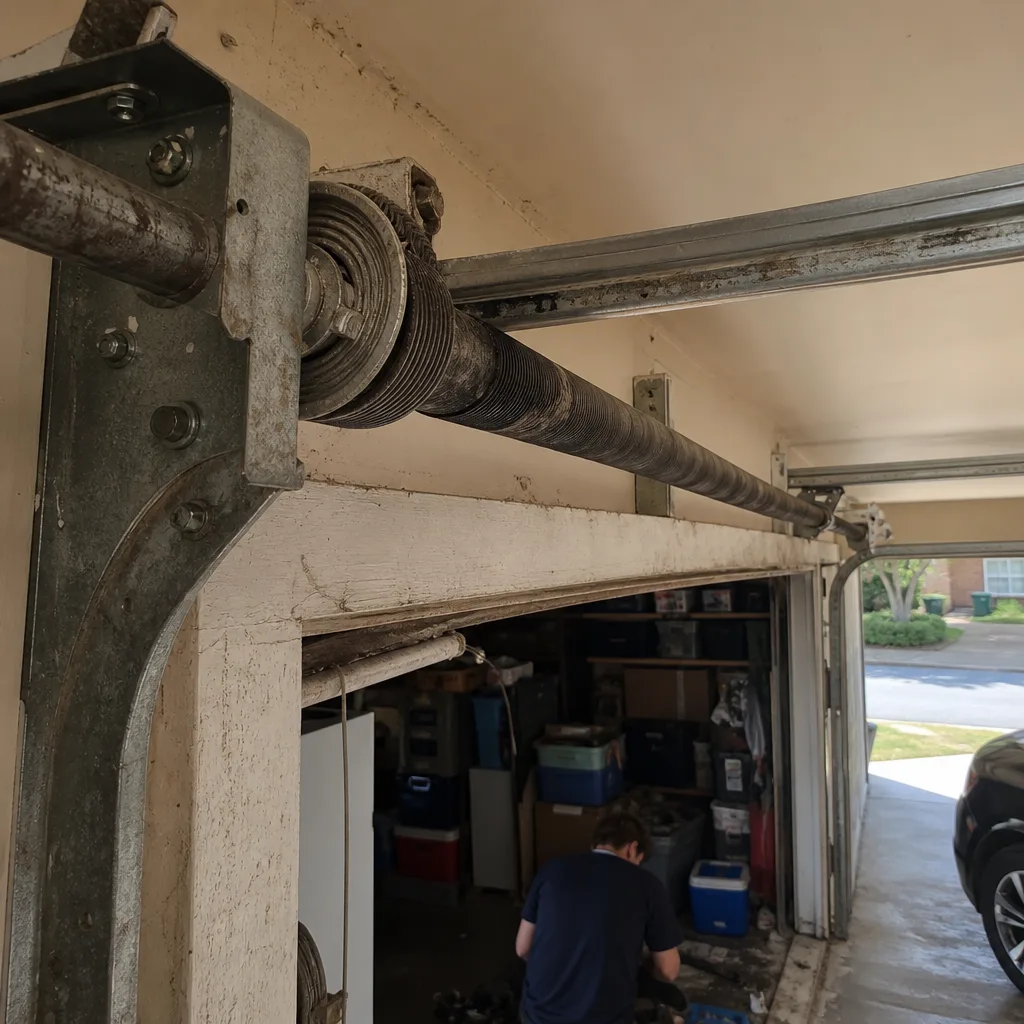 Before
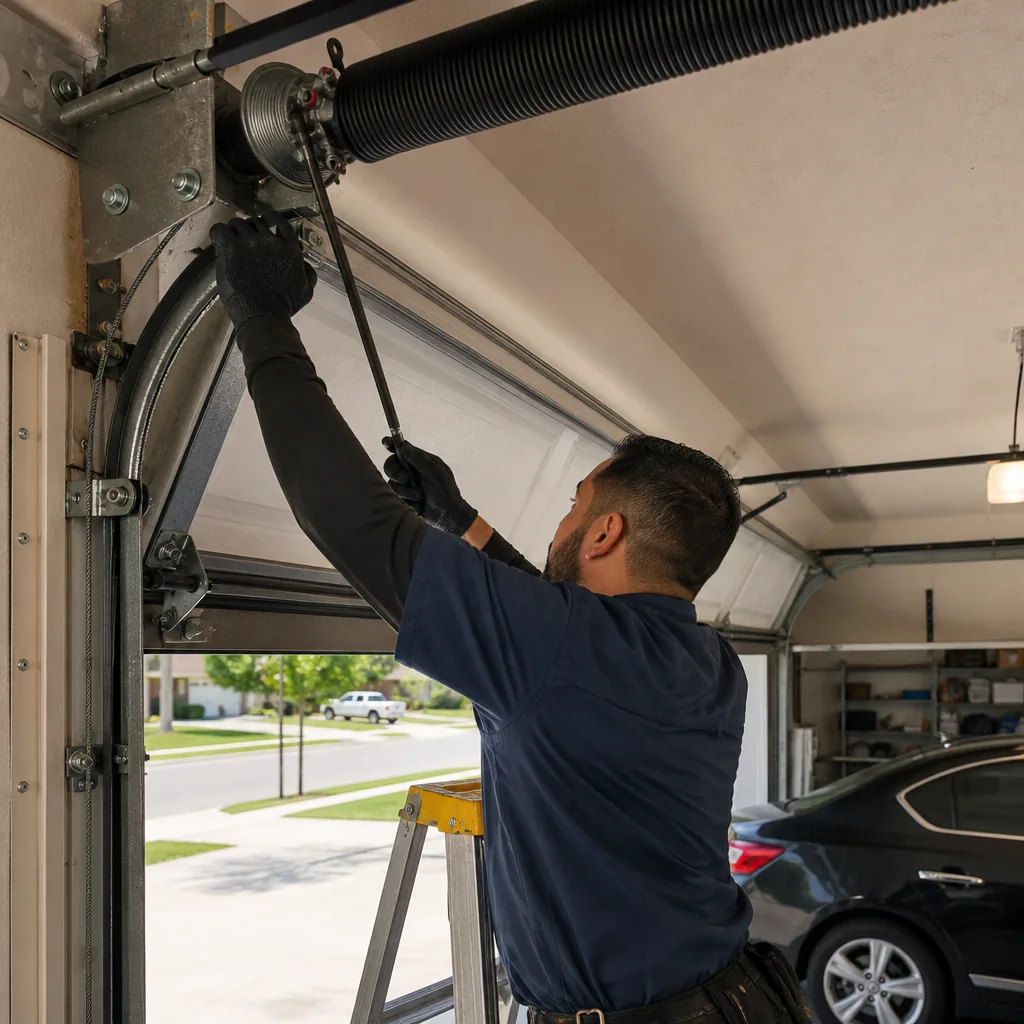 After
After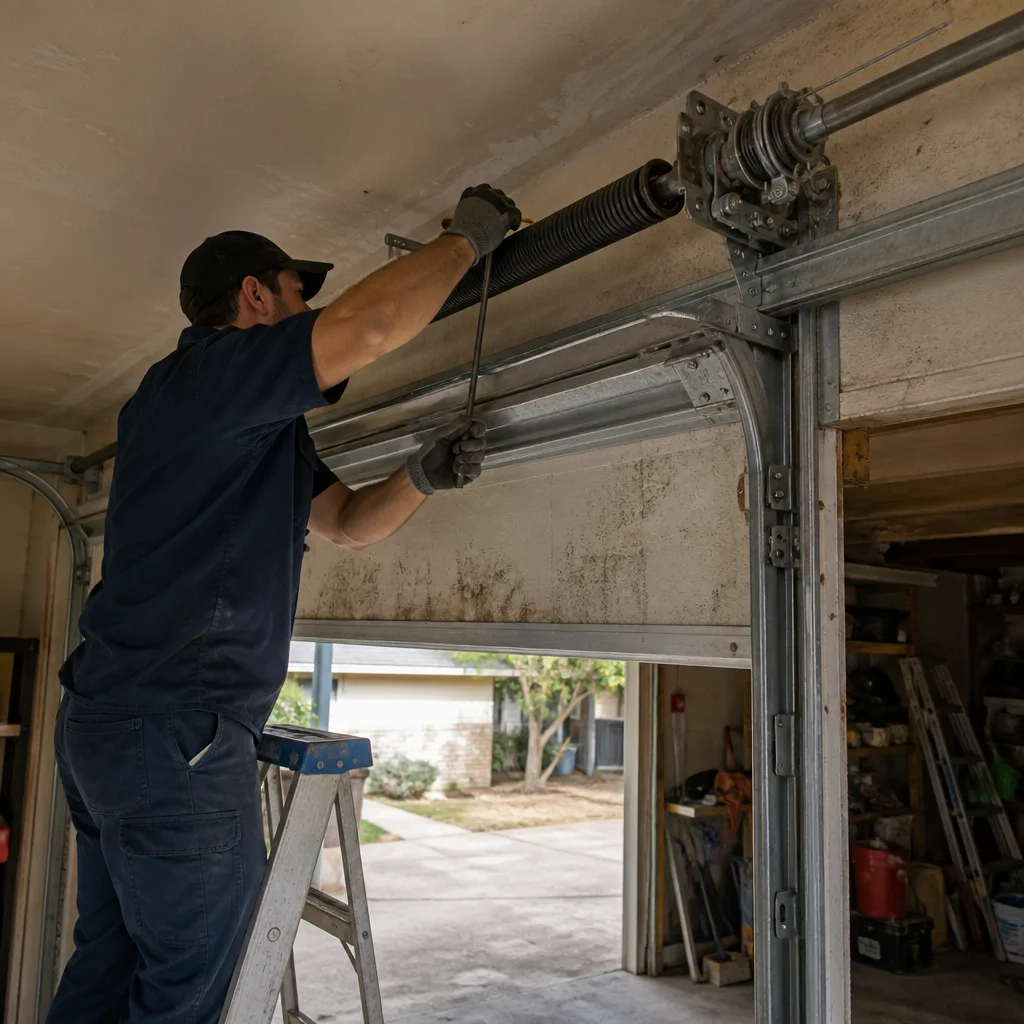 Before
 After
After Before
 After
After