
Last updated October 16, 2026
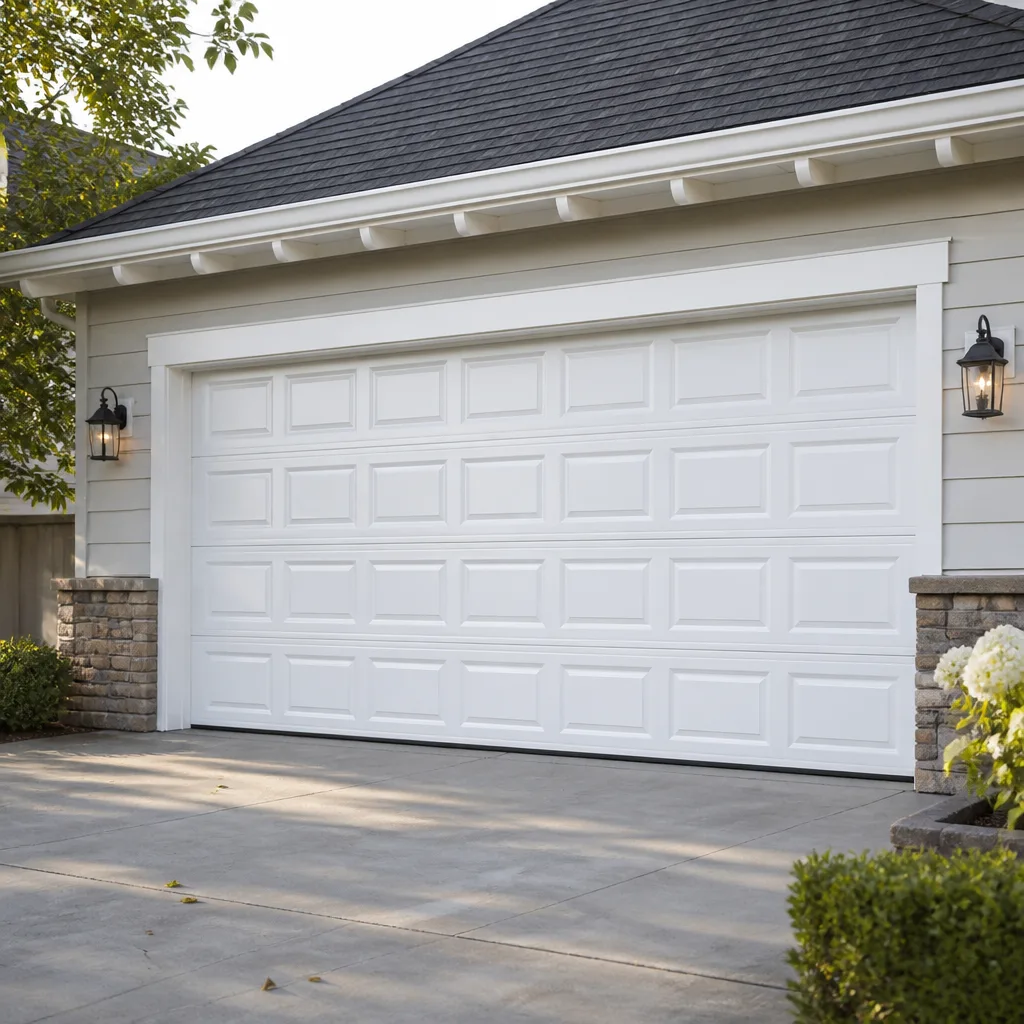 Raised-panel steel
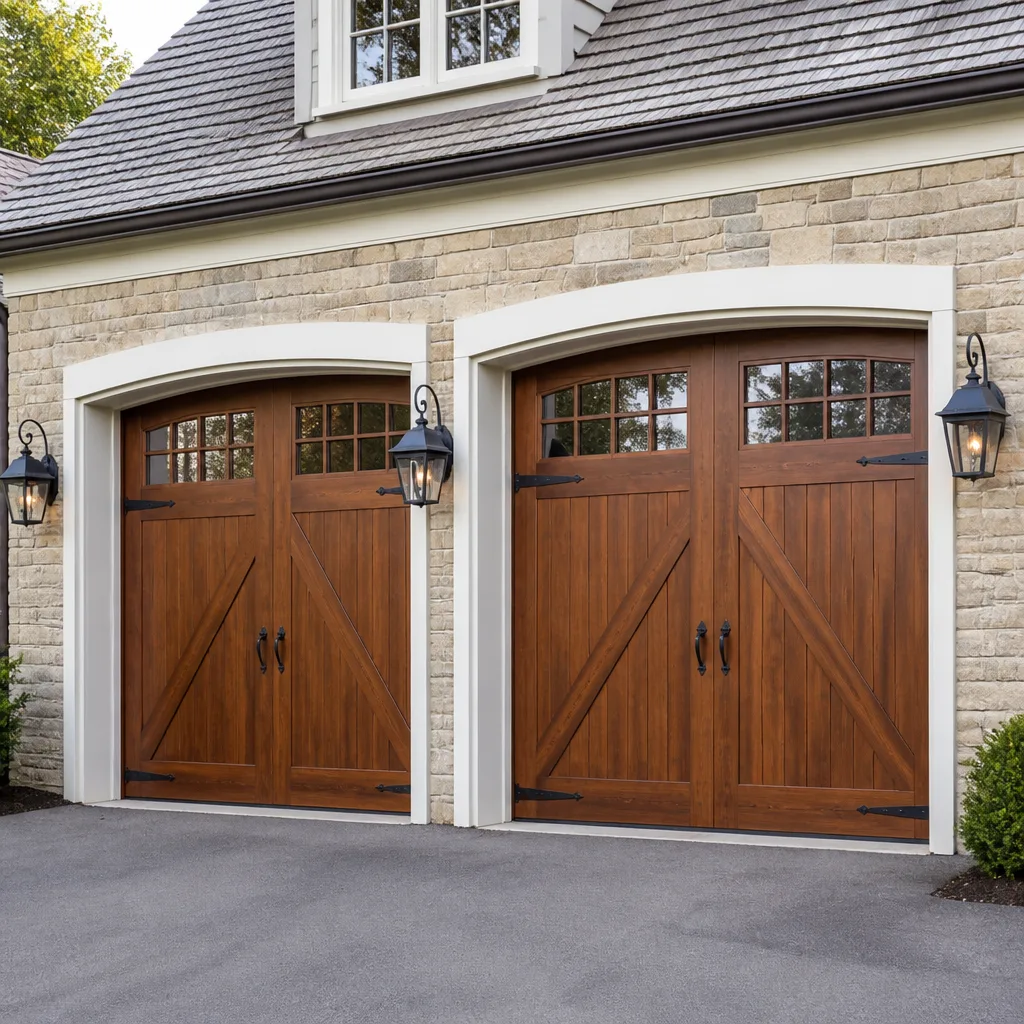 Carriage house
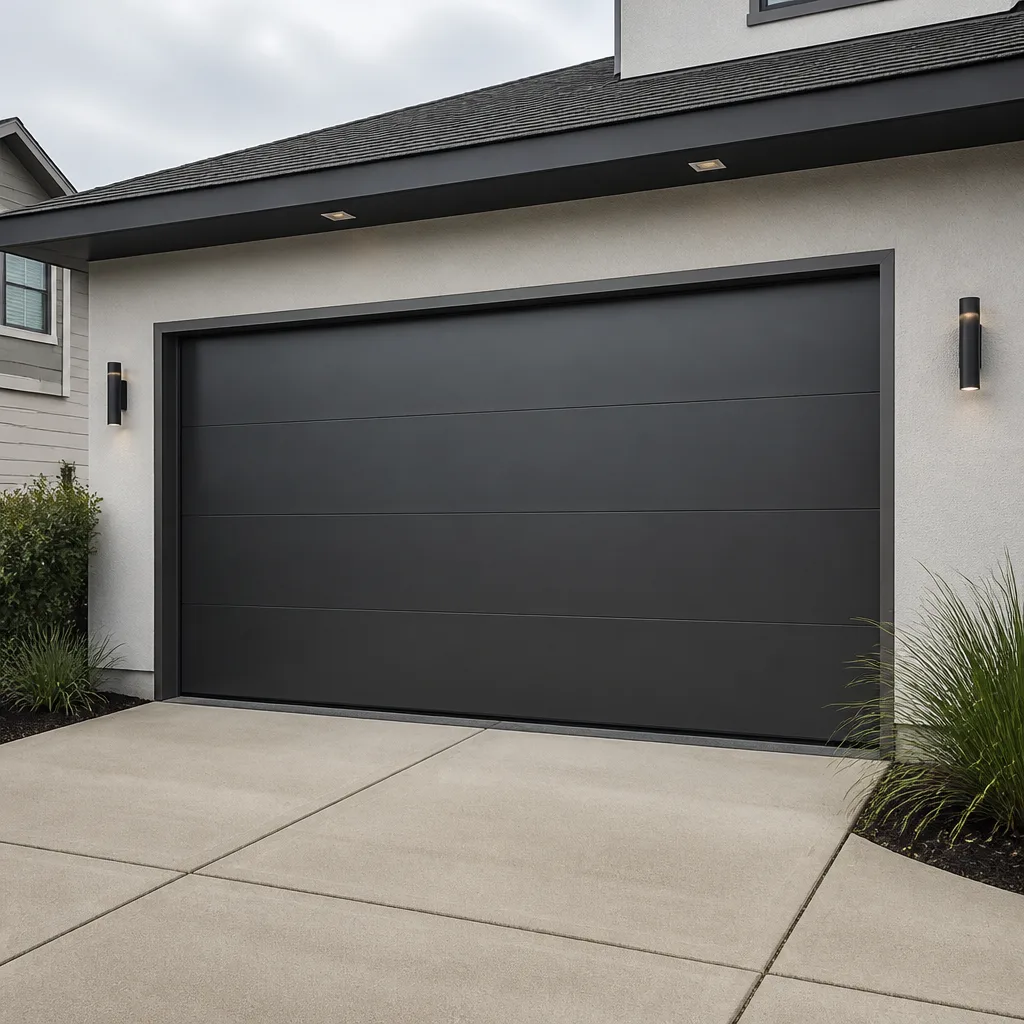 Modern flush
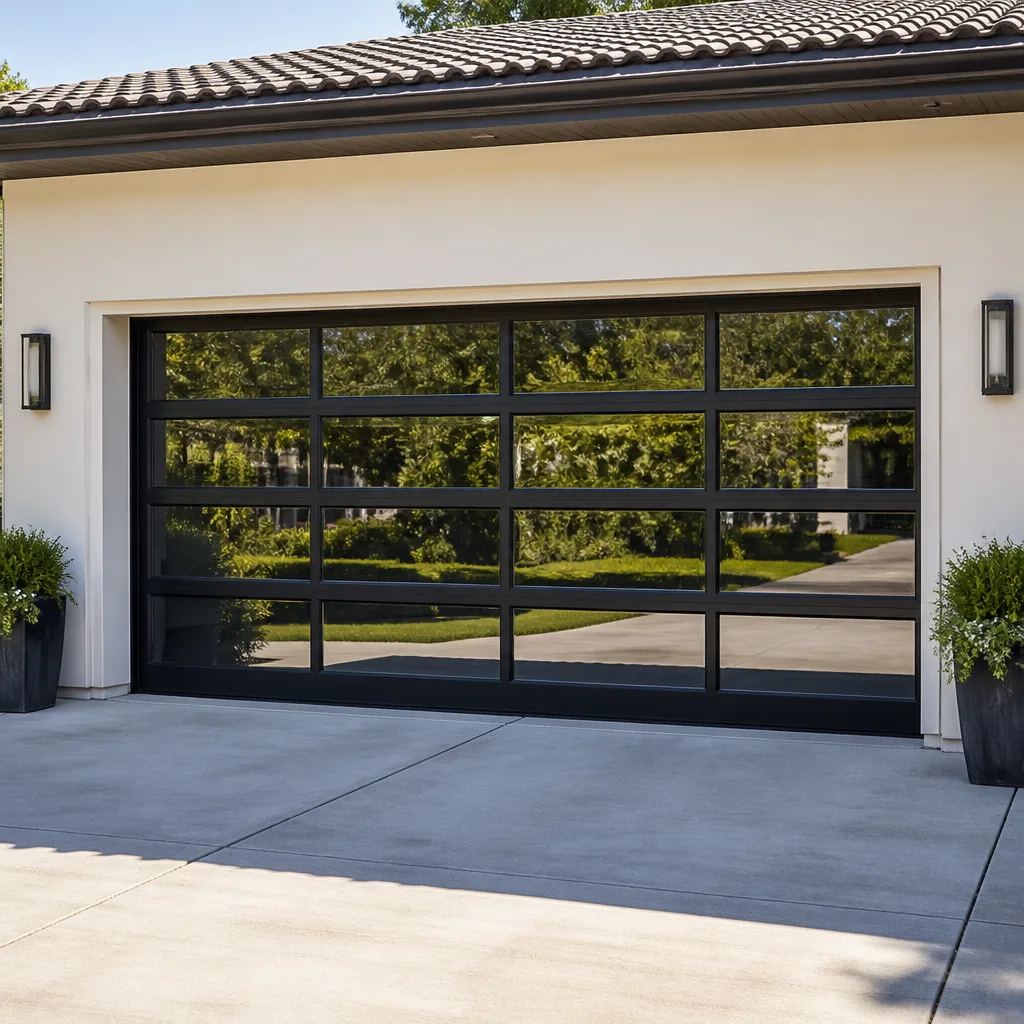 Full-view glass
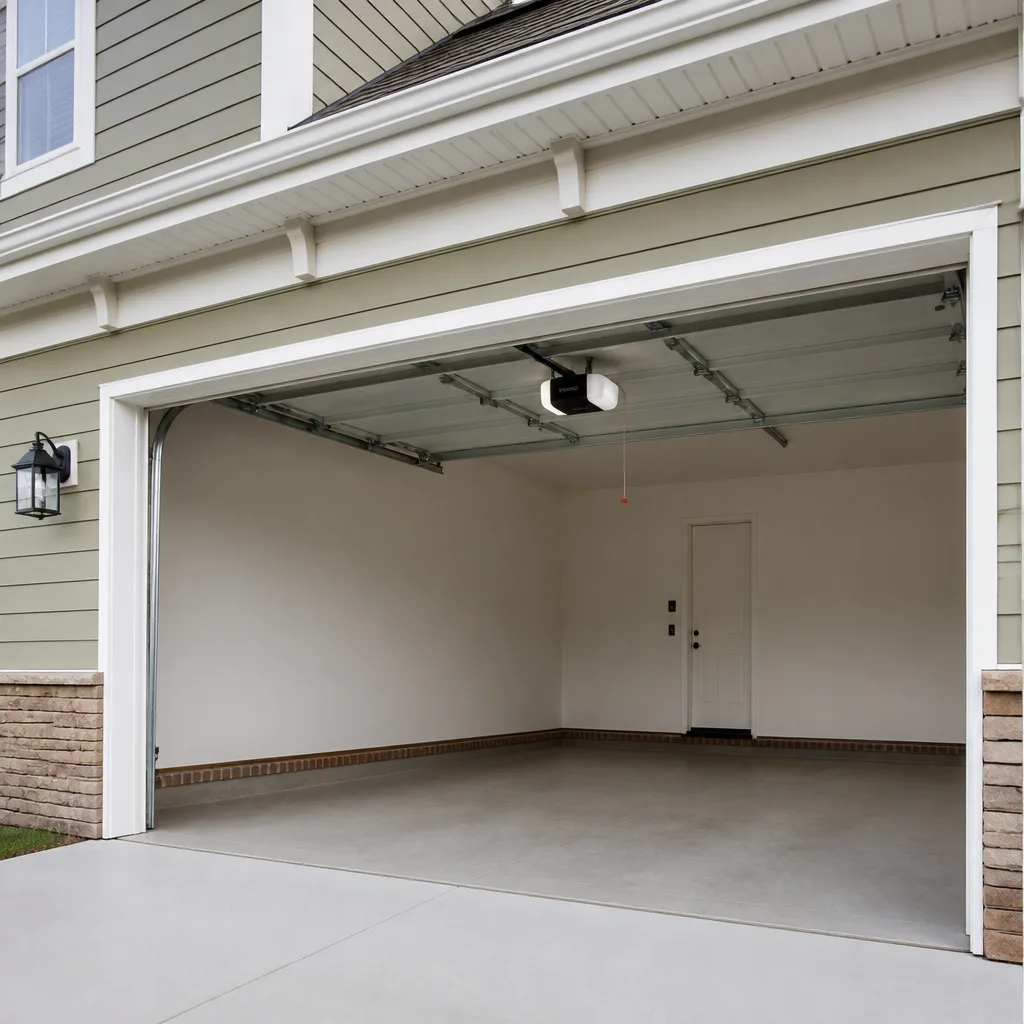 LiftMaster openers
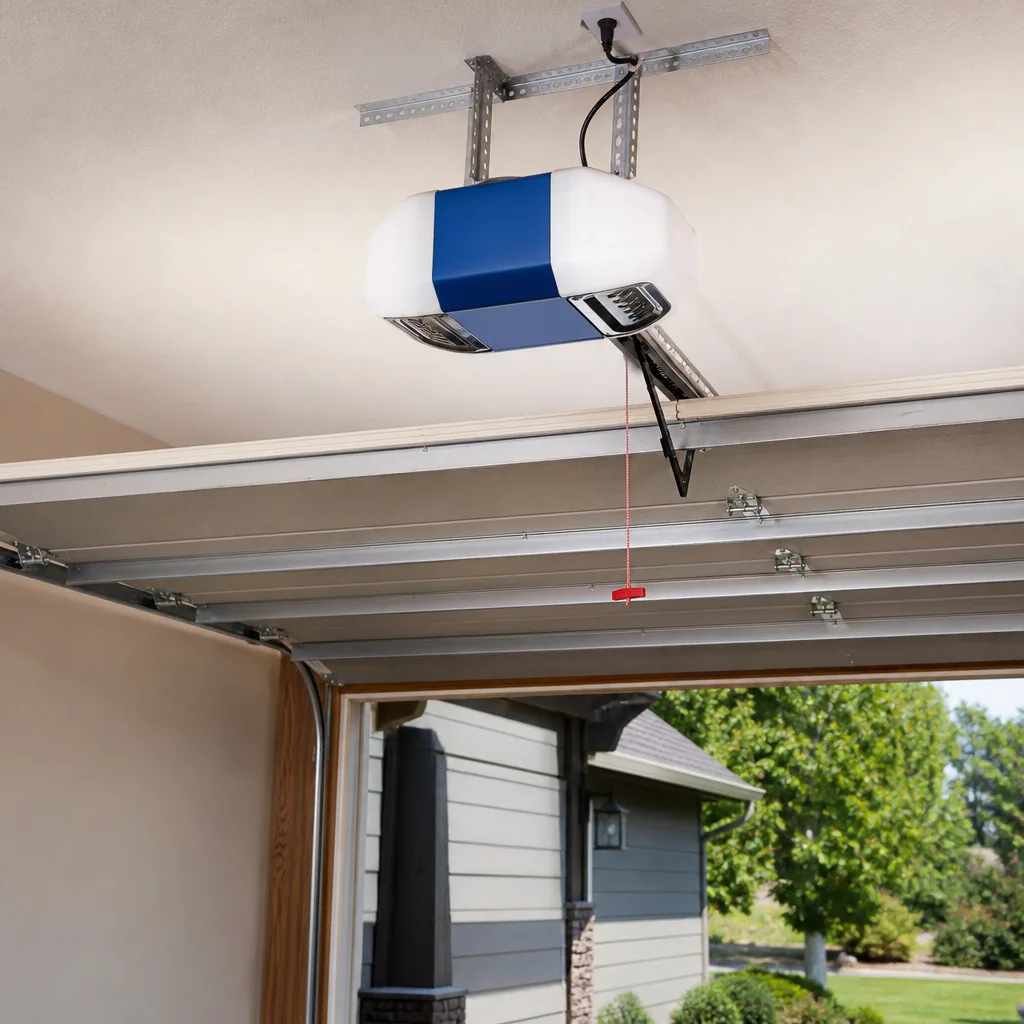 Chamberlain openers
Full 25-point door and opener safety check with every visit - springs, cables, rollers, tracks, and your LiftMaster or Chamberlain opener included
You get a price before we start. It does not change when the truck arrives.
Get your free estimateGarage Door Warning Signs: A Austin Homeowner’s Reference Guide
A garage door that hesitates for two seconds before opening isn’t annoying, it’s a spring carrying uneven load and statistically likely to snap within 90 days. Most Austin homeowners don’t know this because most warning sign guides never explain the failure mechanism behind the symptom. They tell you a grinding noise means “call a professional” but never explain whether that call needs to happen today or can wait until payday. This guide changes that. We’re going to walk through the 12 most common warning signs we see on service calls across Austin, assign each one a severity level, and explain what’s actually breaking inside your door, what happens if you ignore it, and what it typically costs to fix.
Quick Answer
The garage door warning signs that matter most in Austin are: hesitation or jerking when opening (a spring about to fail), a grinding noise with visible metal shavings (roller bearings disintegrating), a popping sound during operation (a spring coil actively cracking), and the door drifting down after opening (failing cables or a broken spring). A slow or noisy door that still opens and closes can usually wait a few days, but a door that jerks, pops, or won’t stay up needs professional attention immediately, because a snapped torsion spring can drop a 150 to 300 pound door in under a second. See our How to Hire a Garage Door Contractor in Austin: A Step-by-Step Guide to find qualified help.
Styles & brands we work with
Table of Contents
- The Three-Tier Severity System
- Grinding Noise vs. Popping Noise: Why They’re Completely Different
- The Hesitation Warning Sign (And Why It’s Worse Than You Think)
- The Austin Summer Vibration Pattern (It May Not Be Mechanical)
- The 60-Second Visual Inspection That Catches 80% of Failures
- Warning Signs That Void Your Manufacturer Warranty
- What These Repairs Actually Cost in Austin
- Common Mistakes to Avoid
- When to Call a Professional
- Frequently Asked Questions
The Three-Tier Severity System
Every garage door warning sign falls into one of three categories, and knowing which tier you’re dealing with is the difference between a $45 maintenance call and a $900 emergency replacement. After 20-plus years of garage door repair in Austin, we’ve organized every symptom we see into a system that tells you exactly how fast to act.
Tier 1: Monitor (Keep an Eye on It)
These signs indicate normal wear that doesn’t require immediate action, but they do require your attention. A door that’s slightly louder than it was six months ago, minor cosmetic rust on the bottom panel, or a remote that sometimes needs a second press are all Tier 1 issues. The door works, it’s safe, and you can schedule service at your convenience. What you’re monitoring for is progression: is the noise getting louder week over week? Is the rust spreading? Tier 1 signs become Tier 2 signs when they worsen.
Tier 2: Schedule Repair (This Week, Not Today)
Tier 2 signs mean a component is failing but hasn’t reached the danger point yet. A grinding noise with visible metal shavings under the track, a door that’s noticeably slower on one side, or a visible cable fray where strands are separating are all Tier 2. You can keep using the door for a few more days, but every cycle adds wear to an already failing part. The repair typically costs $120 to $290 and takes under an hour. The key with Tier 2 is not letting it slide into Tier 3, because the failure cascade accelerates quickly once bearings or cables start to go.
Tier 3: Stop Using the Door Now
Tier 3 signs mean a critical safety component is actively failing, and continued operation risks property damage or serious injury. A popping sound during operation, a door that jerks violently on the way up, a visible gap in a torsion spring, or a door that crashes down when you release the opener are all Tier 3. If you’re seeing any of these, unplug the opener, don’t try to open the door manually, and call a professional. A torsion spring under full tension holds enough stored energy to sever fingers or break bones if it snaps while you’re working nearby. This is not a DIY moment.
Grinding Noise vs. Popping Noise: Why They’re Completely Different
Most homeowners lump all garage door noises into one category: “it sounds bad.” But a grinding noise and a popping noise implicate entirely different components, have entirely different urgency levels, and cost entirely different amounts to fix. Here’s the breakdown we give on every noise-related service call in Austin.
The Grinding Noise: Roller Bearings Are Dying
A grinding or scraping sound that happens while the door is moving almost always points to the rollers. Your garage door rides on 10 to 12 rollers, and each one contains a small bearing. When that bearing wears out, the roller stops spinning and starts sliding against the track, which is where the grinding comes from. You’ll typically hear it most pronounced in the middle of the door’s travel. Check for metal shavings or black dust on the track itself; that’s bearing material, and it confirms the diagnosis. This is a Tier 2 issue in most cases. Roller replacement runs $85 to $150 in Austin, and it’s a quick job most technicians complete in under an hour. What you don’t want to do is keep running the door for months with failed bearings, because a non-spinning roller carves a groove into the track itself, and track replacement is a $200 to $400 job.
The Popping Noise: A Spring Coil Is Cracking
A popping or snapping sound during operation is something else entirely. That’s the sound of a torsion spring coil actively fracturing under tension. A torsion spring, the horizontal coil above your door, is rated for roughly 10,000 open-close cycles. In an Austin home where the door gets used 4 to 6 times a day, that’s about 7 to 10 years of life. When the spring approaches the end of its cycle life, the metal develops micro-fractures, and each fracture makes an audible pop as it releases a tiny amount of stored energy. This is a Tier 3 sign, full stop. The spring is telling you it’s failing, and when it goes completely, it releases all its stored energy at once. The door will either slam shut or become impossible to lift manually. Garage door spring repair in Austin typically runs $150 to $290 depending on spring type, and you’ll see the exact number in writing before any work starts.
The Hesitation Warning Sign (And Why It’s Worse Than You Think)
Here’s the scenario we hear constantly from Austin homeowners: “The door pauses for a second or two when it first starts to open, then it goes up fine.” They describe it as a minor annoyance, something they’ve been living with for weeks. What’s actually happening is that one torsion spring has lost tension or partially cracked, and the remaining spring is being asked to lift twice its rated load. The two-second pause is the motor straining against that imbalance before momentum kicks in.
A well-functioning garage door lifts smoothly the moment the opener engages. If you’re seeing hesitation, jerkiness, or visible strain, at least one spring is compromised. And here’s the part most guides miss: a spring carrying uneven load doesn’t degrade in a straight line. It degrades exponentially. The first week of hesitation might be a half-second pause. By week six, the door is jerking hard enough to shake the track. By week twelve, the overloaded spring snaps. We’ve seen this exact timeline play out in neighborhoods across Austin, from Mueller to Circle C, and the ending is always the same: a sudden, loud failure that usually happens at the worst possible moment, like 7 a.m. on a Monday with your car stuck inside the garage.
The Austin Summer Vibration Pattern (It May Not Be Mechanical)
Austin summers are brutal on garage doors in a way that has nothing to do with mechanical failure, as covered in our Seasonal Garage Door Care for Austin: Year-Round Homeowner’s Guide. We get calls every June through September from homeowners in attached-garage homes reporting a vibration or humming noise that only happens during the hottest part of the day. They’re convinced the opener is dying or a spring is about to go. Most of the time, it’s neither.
Here’s what’s actually happening. Your garage door is made of steel or aluminum panels, and metal expands when it gets hot. On a 100-degree Austin afternoon, the surface of a west-facing garage door can hit 140 degrees. That thermal expansion changes the door’s dimensions by fractions of an inch, but those fractions matter when the door is fitted to tracks with a quarter-inch clearance. As the panels expand, they press harder against the track, and the rollers transmit that friction as a low vibration or buzz. The noise disappears after sunset when the door cools and contracts. If your vibration follows that pattern, seasonal, midday, hot days only, you likely don’t need a repair. You may want a technician to verify clearance and possibly adjust the track spacing, which is a quick, inexpensive visit. But if the vibration happens at all temperatures and times of day, that’s a different conversation, and it usually points to worn rollers or a bent track.
The 60-Second Visual Inspection That Catches 80% of Failures
You don’t need to understand garage door mechanics to spot most imminent failures. You just need to know what you’re looking at. This inspection takes 60 seconds, requires no tools, and catches about 80 percent of the failures we see on emergency calls before they happen. Do this once a month, ideally with the garage light on and the door closed.
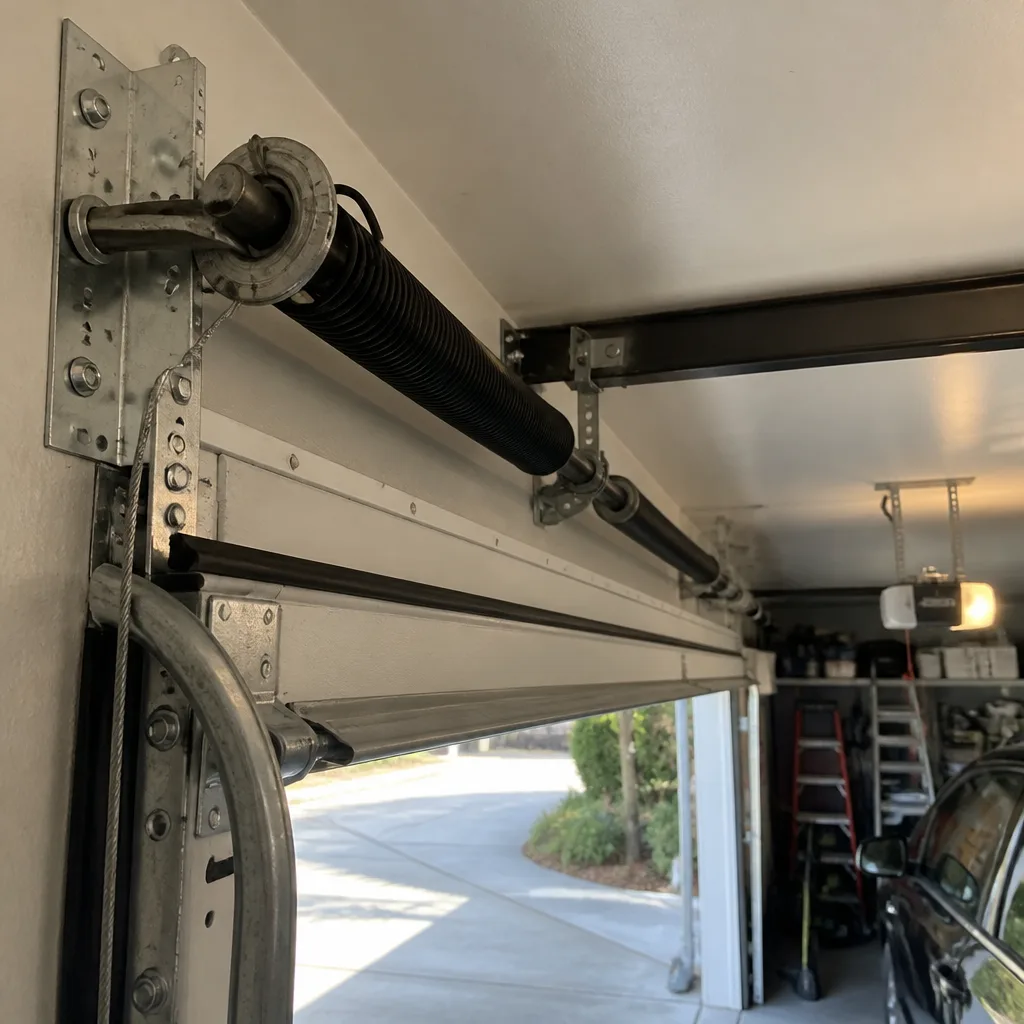
- Look at both torsion springs above the closed door. You should see two coils running horizontally, one on each side of a center bracket. They should be identical in appearance. If you see a visible gap anywhere along either coil, like a break in the helix pattern, that spring has already snapped and needs replacement before the door is used again.
- Check both cables where they attach to the bottom of the door. Look for fraying, which looks like tiny wire strands separating from the main cable body, or any visible kinks or rust. Cables under tension that show fraying are Tier 2 at minimum, and if the fraying is more than 25 percent through the cable diameter, it’s Tier 3.
- Run your eyes along both horizontal tracks. Look for metal shavings, black dust, or any section that looks visibly bent or dented. Shavings and dust mean roller bearings are failing. A bent section means the door can bind or derail at that point.
- Check the roller wheels themselves. On most doors, you can see the rollers where they meet the track. If any roller looks cracked, chipped, or even slightly separated from the track, it needs replacement.
- Look at the bottom seal. It’s the rubber strip along the bottom edge of the door. If it’s cracked, flattened, or pulling away, you’re losing conditioned air and letting Austin’s heat and pests into the garage. It’s a cheap fix and unrelated to mechanical safety, but it affects your electric bill.
That’s it. Five checks, one minute. If you see something questionable, call for a professional assessment rather than waiting for it to become an emergency. Garage door cable repair in Austin is straightforward at $100 to $180, but a cable that snaps while the door is open can send a panel crashing down.
Warning Signs That Void Your Manufacturer Warranty
Most homeowners don’t realize that their LiftMaster, Chamberlain, or Genie garage door system comes with a warranty that requires the owner to maintain the door and address problems at the symptom stage. The warranty clock doesn’t start at failure, it starts at symptom. If you notice a grinding noise in month six of ownership and wait until month fourteen when the roller seizes and damages the track, the manufacturer can deny the track replacement because the failure stemmed from a roller issue you had a legitimate opportunity to catch and fix. Here’s what voids coverage or gives the manufacturer a denial path.
- Ignoring visible cable fraying. Every major manufacturer’s warranty excludes damage caused by “failure to maintain” and “continued operation with visibly worn components.” A frayed cable is the textbook example. If you see fraying and keep using the door, any resulting damage to panels, tracks, or the opener is on you.
- Failing to replace worn rollers. Worn rollers damage tracks. Track damage from non-maintenance is the number one warranty denial reason we see. Replacing rollers at $85 to $150 is far cheaper than eating a $400 track replacement that the manufacturer won’t cover.
- Operating the door with a visibly broken spring. A snapped spring isn’t a warranty issue in most cases because springs are considered wear items with a cycle rating. But if one spring snaps and you keep using the opener with only one functional spring, and that overloads the motor and burns it out, the opener’s warranty is void. The motor saw a load it was never rated for because the owner continued operating a flagged system.
- DIY repairs that go wrong. If you replace a spring or cable yourself and it snaps a week later and takes out a panel, the panel damage is not covered. Manufacturers require professional installation for warranty validity on structural components.
The takeaway: when you see a symptom, document it, and get a professional opinion. A service visit in Austin runs $85 to $145 for diagnosis, and it creates the paper trail that keeps your warranty enforceable.
What These Repairs Actually Cost in Austin
We believe in naming prices. Here’s what we charge in Austin, and the numbers align with what you’ll see from other reputable local companies. If a quote comes in dramatically lower or higher, ask why.
| Warning Sign | Likely Component | Typical Austin Cost | Urgency |
|---|---|---|---|
| Hesitation or jerking | One failing torsion spring | $150 – $290 | Tier 3 |
| Grinding noise | Worn roller bearings | $85 – $150 | Tier 2 |
| Popping sound | Cracking torsion spring | $150 – $290 | Tier 3 |
| Door drifts down | Failing cables or broken spring | $100 – $290 | Tier 3 |
| Seasonal vibration | Thermal expansion or track adjustment | $45 – $120 | Tier 1 |
| Visible cable fraying | Worn cable | $100 – $180 | Tier 2 |
| Track damage from neglect | Bent or gouged track section | $200 – $400 | Tier 2 |
These are the prices we quote in Austin, and you’ll see the exact number in writing before any work starts. No surprises after the fact. If you want a professional opinion on what you’re seeing, the Marlow Garage Door Repair Austin home team answers live 24/7 and schedules free estimates across the metro area.
Common Mistakes to Avoid
- Spraying lubricant everywhere to “fix” a grinding noise. A grinding noise is a failed bearing, not a lubrication issue. Adding grease or spray lube to a failed roller does nothing except collect dust and make the eventual repair messier. Address the bearing.
- Continuing to use the door after a spring snaps. If one spring breaks and you keep opening and closing the door with the opener, you’re forcing the motor to lift an unbalanced load. That motor is not rated for it, and you’re probably about to add a $300 to $600 opener replacement to your bill. When a spring snaps, stop using the door.
- Thinking a security system makes the garage door a non-issue. Austin homeowners sometimes focus on cameras and sensors while ignoring the fact that a door that won’t close properly is an open invitation, regardless of how many cameras are recording it. Physical security starts with a door that seals and locks.
- Ignoring a door that’s slightly crooked when open. A tilt of an inch or two is readily visible and always points to a problem, usually one side of the door carrying more load than the other, or a cable slipping. Five minutes of adjustment now beats a panel replacement later.
- Waiting for the door to fail completely to call. Emergency repairs aren’t necessarily more expensive, but if your car is trapped in the garage, you’re negotiating from a position of total dependence. Diagnosing symptoms at the Tier 2 stage gives you time to compare quotes and schedule on your terms.
- Assuming a brand name guarantees quality. We service Clopay, Amarr, and Wayne Dalton doors, and all three make excellent products. What determines a door’s lifespan is installation quality and ongoing maintenance, not the logo on the panel. A cheap door properly installed and maintained will outlast an expensive door ignored for a decade.
When to Call a Professional
Any Tier 3 sign warrants an immediate call: popping springs, violent jerking, visible spring gaps, a door that drops when released, or a cable that’s torn through more than a quarter of its diameter. Tier 2 signs warrant a scheduled visit within the week: grinding rollers, visible fraying, a slow or crooked door, or a strained opener. And if you’re ever unsure which tier you’re looking at, describe the symptom over the phone and let a trained ear decide. Marlow’s garage door repair team serving Austin offers free estimates in the Austin area, and a live person answers every call at (361) 320-8872, day or night, weekends included.
Frequently Asked Questions
A garage door that won’t stay up in Austin typically costs $150 to $290 to fix when the culprit is a failed torsion spring, or $100 to $180 when it’s a snapped cable. Both are Tier 3 issues and should be addressed immediately. Call (361) 320-8872 for an exact quote, estimates are free and the written price is locked before any work starts.
Yes, most garage door repairs in Austin can be completed same-day when the needed parts are standard inventory items, which includes springs, cables, and rollers. We carry parts for eight major brands on the truck, so the technician arriving at your home already has what’s needed for most jobs.
No, the price you’re quoted before work begins is the price you pay, and it’s delivered in writing. If the technician discovers an additional issue during the repair, you’ll be told about it and given a new written price before any additional work is done. You’re never billed for anything you didn’t approve in advance.
Our technicians are trained on and carry parts for eight major garage door brands: LiftMaster, Chamberlain, Genie, Clopay, Amarr, Wayne Dalton, Craftsman, and Raynor. If your door falls outside those brands, we can still source parts, but it may require a follow-up visit.
Given Austin’s heat, humidity, and the fast growth of surrounding neighborhoods that brings shifting soil, we recommend a visual inspection once a month and a professional inspection every 12 to 18 months. The visual inspection you can do yourself catches most problems early, and the professional visit verifies spring balance and track alignment.
A grinding noise is not immediately dangerous but indicates a failing roller that will eventually damage the track. A popping noise is dangerous and means a spring is actively cracking. If your door pops, stop using it and call for service the same day. If it grinds, schedule repair within the week.
The Bottom Line
Your garage door tells you when it’s failing, but only if you know how to listen. The hesitation that feels like a quirk is a spring losing tension. The grinding that fades into background noise is a bearing dying. The popping that startles you once a month is a coil fracturing. Pay attention, assign everything to the right severity tier, and act before the symptom becomes a failure. A monthly 60-second inspection and a professional visit every year or so will catch most problems while they’re still cheap to fix. For additional maintenance tips, check out our more guides & resources. And when you do need service in Austin, you’ll get a written price before any work begins and a 365-Day Done Right Promise on every repair. That’s how it should work, and that’s how we’ve done it since 2002.
Written by Jaylen Ross, Owner at Marlow Garage Door Repair Austin, serving Austin since 2002.
See the difference
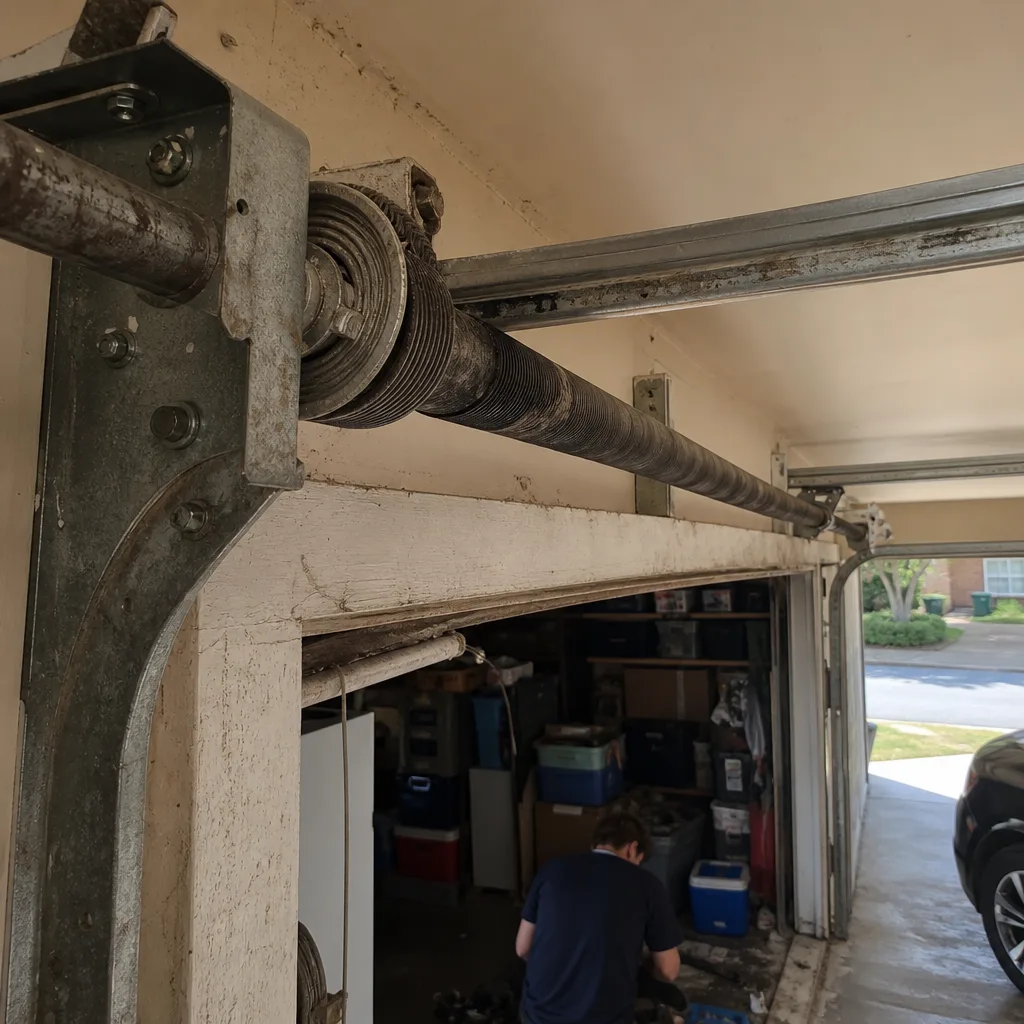 Before
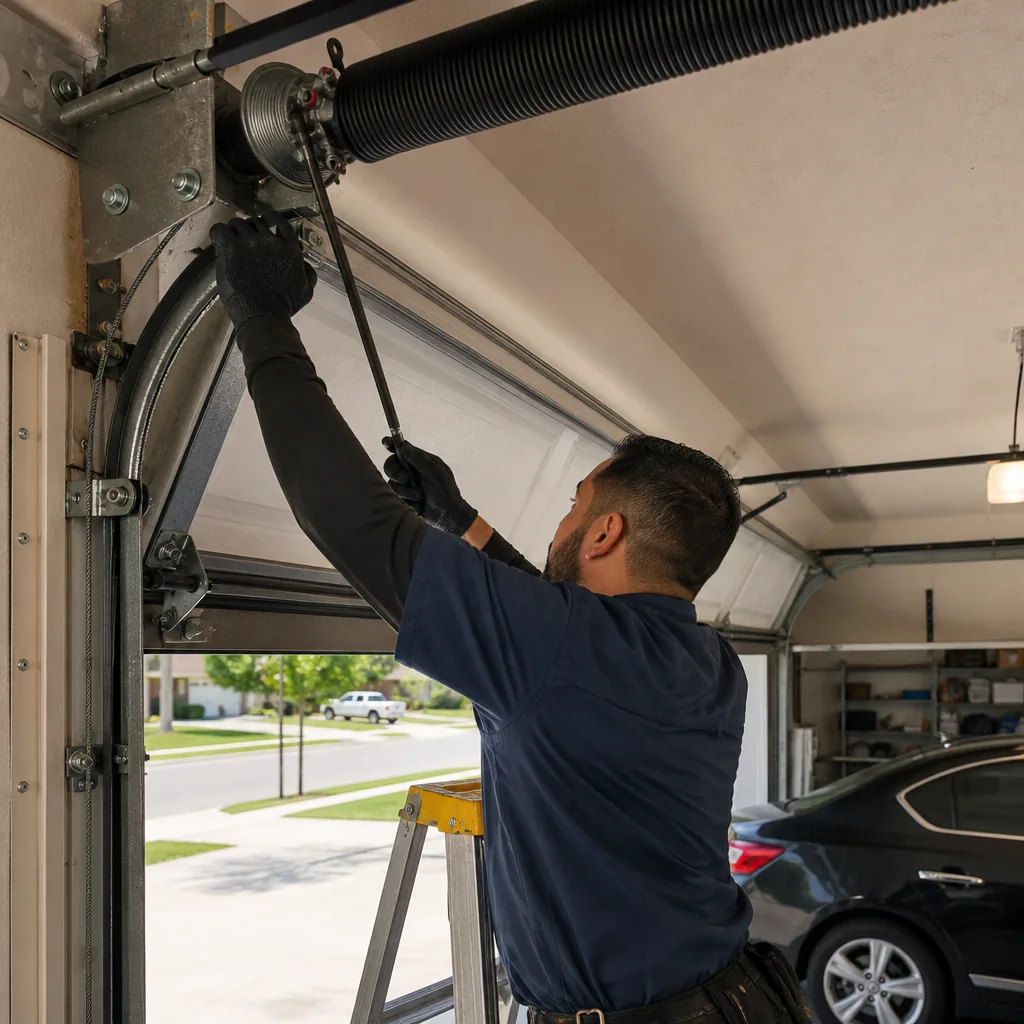 After
After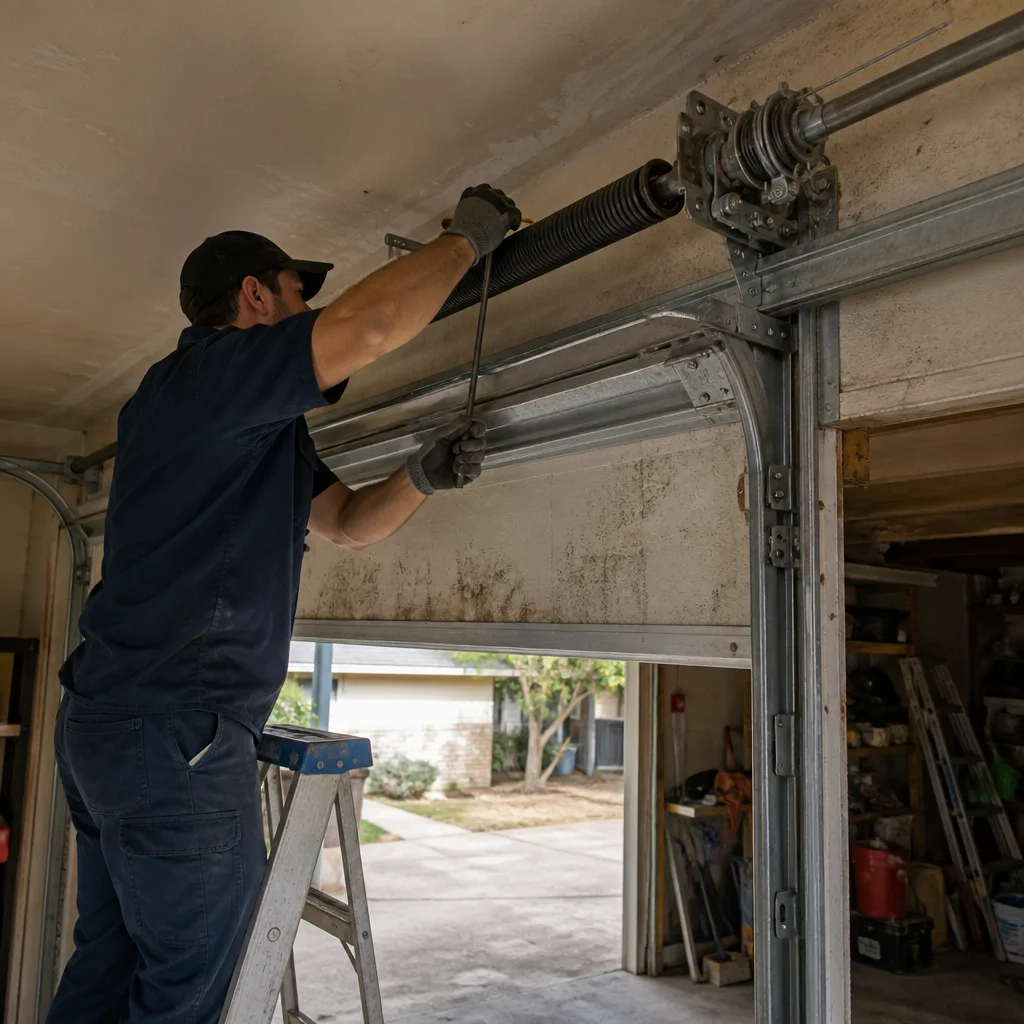 Before
 After
After Before
 After
After